
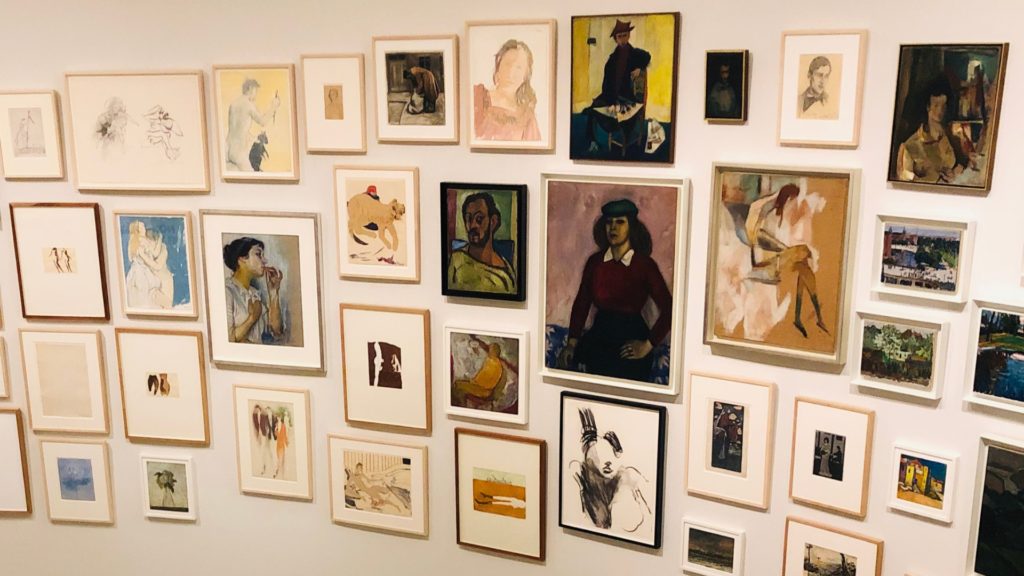
Starting an art collection can be an exciting journey that transforms a space and enriches one’s life. To begin, focus on buying what you love, as personal enjoyment is the foundation of a meaningful collection. This approach ensures that each piece resonates with the collector, creating a unique narrative over time.
Exploring various art forms and visiting galleries can help identify personal tastes. It’s important for collectors to educate themselves about artists, styles, and the market to make informed decisions. Building a collection is not just about investment; it’s a chance to support artists and engage with the broader art community.
As she embarks on this new venture, a collector should keep an open mind and remain patient. The right pieces will come along, and with each acquisition, the collection will reflect their evolving aesthetic and passion for art.
Understanding the Art Market
The art market is diverse and continuously evolving. It involves various platforms for buying and selling art, each with unique characteristics. By recognising the structures and options available, collectors can make informed decisions.
Navigating Art Fairs and Auctions
Art fairs are significant events where galleries, collectors, and artists convene. They offer a concentrated space to view and acquire works from various genres and regions. Major events such as Frieze and Art Basel attract thousands of attendees.
At these fairs, collectors can gauge trends and network with professionals. Alternatively, auctions provide an opportunity to buy sought-after pieces. Auction houses like Sotheby’s and Christie’s often host high-profile sales. Understanding auction terms, bidding strategies, and fees is essential for participation.
Exploring Online Platforms
The rise of online platforms like Artnet, Etsy, and The Artling has transformed art purchasing. These platforms enable collectors to access global markets from their homes. They offer a range of artworks, from established names to emerging talents.
Collectors should evaluate the credibility of these platforms. Art platforms often provide background information on artists and provenance, which aids decision-making. Remember to review shipping costs, return policies, and customer support when purchasing art online.
This digital shift has also opened up entirely new mediums for art buyers. Many people now focus on digital art collecting, which includes files like JPEGs and blockchain-backed NFTs. This type of art has its own set of rules for ownership and display. Buyers need to understand how files are secured and how edition sizes work before they buy. It is a different process than buying a physical canvas, but it has become a major part of the modern art market.
The Role of Art Galleries
Art galleries play a crucial role in the art ecosystem. They curate collections and represent artists, providing credibility and exposure. Galleries often host exhibitions and provide educational resources, helping collectors understand the art better.
Establishing relationships with gallery owners can benefit collectors. This connection may lead to exclusive previews and insights into upcoming artists. Many collectors find galleries to be a reliable source for acquiring artworks with authenticated provenance.
Selecting Your Art
Choosing art requires a clear vision of personal preferences and an understanding of the market. Whether focusing on emerging artists or exploring various types of art, collectors should curate selections that resonate with them.
Developing Your Personal Style
Establishing a personal style is crucial for anyone beginning an art collection. It involves introspection and consideration of how different pieces resonate emotionally.
- Identify Influences: Look at art movements or artists that excite you, like contemporary or conceptual art.
- Create a Mood Board: Collect images of artwork that captures your interest. This visual guide helps clarify your taste.
Collectors should also consider the space the art will occupy. Different environments can influence choices, allowing for a harmonious integration of artwork into home or office settings. This alignment enhances the appeal of the selected pieces.
Investing in Emerging Artists
Investing in emerging artists presents unique opportunities. Up-and-coming talent offers not only potential financial returns but also an edge in cultural trends.
- Research: Follow art fairs, galleries, and social media platforms to spot new talent.
- Network: Connect with curators, attend exhibitions, and discuss with fellow collectors to discover artists before they hit the mainstream.
Supporting emerging artists not only diversifies a collection but also fosters new artistic voices. This can lead to one-of-a-kind original artwork that often carries unique narratives.
Considering Different Types of Art
Diversifying types of art within a collection can enhance its value and aesthetic appeal. Different mediums, such as prints, sculptures, and original pieces, each offer distinct characteristics.
- Original Artwork: Provides uniqueness and often a higher value appreciation over time.
- Prints: More affordable and can be a great way to include works from renowned artists.
- Sculpture: Adds dimensionality to a space and can serve as a focal point.
Collectors should think about how each type of art interacts with their personal style and the intended space for display. Balancing various forms can create a dynamic collection that reflects the collector’s vision.
Authenticating and Caring for Your Collection
To ensure the longevity and value of an art collection, verification and proper care are crucial. Authentication provides a guarantee of provenance, while appropriate preservation methods maintain the artwork’s condition over time.
Securing Certificates of Authenticity
A Certificate of Authenticity (CoA) is essential for substantiating the legitimacy of a piece. It typically includes details such as the artist’s name, title of the work, medium, and a unique identification number.
When acquiring art, collectors should always request a CoA from reputable sources.
- Direct from Artists: Many emerging artists provide CoAs with their works.
- Galleries: Established galleries often issue CoAs for pieces sold through them.
- Auction Houses: These institutions can verify and authenticate works, providing certificates that enhance value.
Without a CoA, the artwork’s authenticity may be questioned, affecting both its market value and desirability.
Best Practices for Framing and Preservation
Effective framing and preservation techniques protect artworks from physical damage and environmental factors.
Choosing the right frame materials is key.
- Acid-Free Materials: Ensure that mats and backings are acid-free to prevent deterioration.
- UV-Protective Glass: Use glass with UV protection to shield against harmful light exposure.
Temperature and humidity levels also play a significant role.
- Stable Environment: Maintain a consistent temperature between 18-21°C and humidity levels around 40-60%.
- Avoid Direct Sunlight: Position artwork away from direct sunlight to minimise fading.
Regular inspections for signs of deterioration or pests will help maintain the integrity of the collection.
Curating and Displaying Your Collection
Curating an art collection involves thoughtful selection and arrangement. It’s essential to choose pieces that resonate with personal tastes and values.
Consider the following guidelines:
- Theme: Establish a unifying theme. It could be based on colour, style, or time period.
- Balance: Strive for a balanced display. Mix sizes, mediums, and styles to create visual interest.
- Visibility: Ensure all pieces are easily visible. Avoid overcrowding the space.
Display methods can significantly enhance the experience of viewing the collection. Use these options:
- Wall Mounting: Hang artwork at eye level. This invites engagement and appreciation.
- Pedestal Displays: For sculptures, pedestals can elevate the piece and make it a focal point.
- Gallery Walls: Create a grid or salon style for a dynamic arrangement of multiple pieces.
Lighting also plays a crucial role. Natural light can be beautiful but may fade artworks. Consider using:
- Spotlights for highlighting specific pieces.
- Recessed lighting to provide soft illumination without glare.
Remember, displaying an art collection reflects the collector’s personality and vision. Each choice contributes to the storytelling of the collection. Regularly changing the display can keep the collection fresh and engaging.