
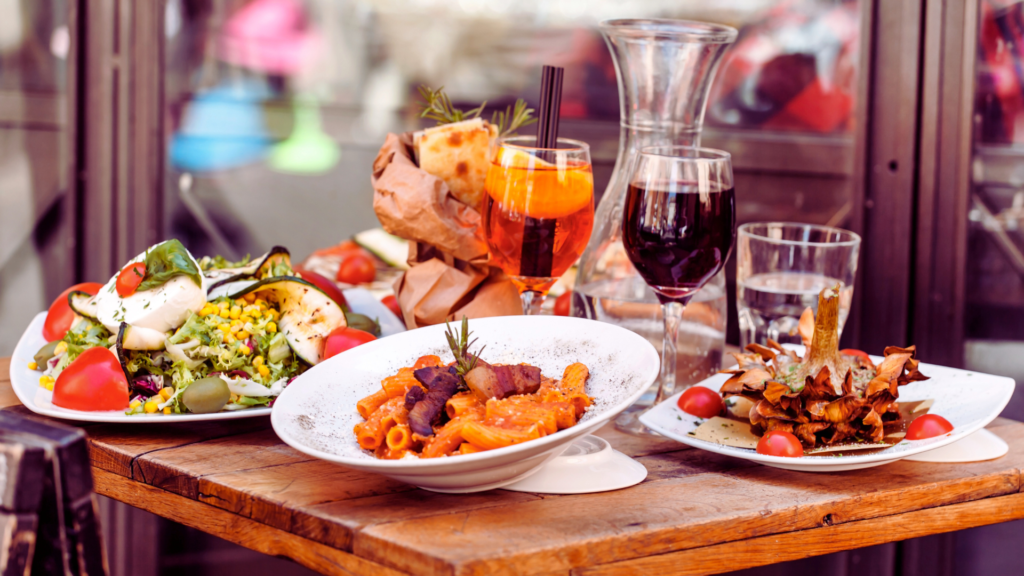
Pairing food and drinks can elevate a dining experience, enhancing flavours and creating a memorable occasion. The key to successful food and drink pairing is to find harmony between the flavours, textures, and aromas of the two. With the right combinations, a meal can be transformed, making even the simplest dishes shine.
Understanding the characteristics of both food and drink is crucial. For instance, a bold red wine might overpower light seafood, while a refreshing white can complement it perfectly. Similarly, a rich chocolate dessert pairs well with a sweet dessert wine, creating a delightful contrast.
Exploring various pairings encourages individuals to experiment and discover their preferences. It’s about finding what works for one’s palate and creating a satisfying balance on the plate and in the glass. Engaging with different cuisines and beverages opens a world of flavour possibilities that are both enjoyable and rewarding.
The Art of Pairing Food and Drinks
Pairing food and drinks requires an understanding of flavours and specific principles that enhance the dining experience. Successful pairings balance the taste profiles of both the meal and the beverage, creating a harmonious interaction.
Understanding Flavours and Pairing Principles
Flavours can be classified into categories: sweet, sour, salty, bitter, and umami. Recognising these can guide the selection of drinks that complement a dish. For instance, acidic drinks can brighten rich foods, while sweeter beverages can balance spicy dishes.
Key pairing principles include:
- Contrast: Pairing strong flavours with milder ones to avoid overwhelming the palate.
- Match: Choosing drinks that share similar flavour notes with the meal.
- Weight: Ensuring the body of the drink matches the richness of the food.
This knowledge is crucial for crafting memorable food and drink experiences.
Pairing Wine with Meals
Wine pairing involves considering the main components of a dish. Red wine often complements red meat due to its tannins, which cut through the fat. White wine is suitable for lighter proteins, such as fish and chicken, where its acidity refreshes the palate.
A few successful pairings include:
- Chardonnay with roasted chicken.
- Pinot Noir for grilled salmon.
- Cabernet Sauvignon alongside a steak.
Pairing wine also depends on sauce and seasoning, as these can alter the overall flavour.
Coordinating Cocktails and Cuisine
Cocktail pairing reflects creativity and balances flavours. Spirits with distinct profiles can enhance the characteristics of various dishes. The freshness of cocktails is particularly effective with lighter fare.
Consider these pairings:
- Mojito with seafood dishes for a refreshing contrast.
- Old Fashioned with barbecued meats, complementing smoky flavours.
- Gin and Tonic to offset spicy dishes, providing a cooling effect.
The key is to match the cocktail’s strength and complexity with the dish’s characteristics for an improved dining experience.
Selecting the Right Beverage for Your Meal
Choosing the right beverage to accompany a meal is essential for enhancing the overall dining experience. Factors such as sweetness, acidity, and flavour profile play significant roles in this selection process. Understanding how different drinks interact with various foods can elevate both the meal and the beverage.
Wine and Food Synergy
Wine pairing is an art that involves balancing the wine’s characteristics with those of the meal. The key components include sweetness, tannins, acidity, and alcohol content.
For optimized wine and food synergy, it is recommended to try out wines made without artificial ingredients. In this regard, connoisseurs tend to go for wine brands like Terra Organica and similar ones produced organically in vineyards. Wines made from quality grapes taste fresh and vibrant, and thus they are likely to pair well with food.
Here are some tips for food and wine pairings:
- Dry Wines pair well with fatty foods; the acidity cuts through richness.
- Sweet Wines complement spicy dishes by offsetting heat.
- Tannic Reds are ideal with red meats, as the protein balances the tannins.
For instance, white wine with high acidity pairs beautifully with shellfish, while a full-bodied red works well with grilled steaks. Experimentation leads to personalised preferences and unique pairings.
The Role of Cocktails in Food Pairing
Cocktails can add a diverse range of flavours to meals. When selecting a cocktail, consider its bitterness, sweetness, and overall complexity.
- Aperitifs are typically lower in alcohol and can stimulate the appetite before a meal. They often incorporate acidic drinks, making them refreshing choices.
- Spirit-based cocktails usually enhance richer dishes. For example, a whiskey sour works well with barbecued foods due to its acidity and warmth.
Balancing the flavours is crucial; a refreshing, citrusy cocktail may complement light salads, while a spiced rum cocktail can pair nicely with Caribbean dishes.
Non-Alcoholic Options and Their Pairings
Non-alcoholic beverages offer fantastic pairing opportunities without the alcohol content. These options can also elevate the dining experience.
- Sparkling waters and acidic drinks, such as non-alcoholic cocktails, provide refreshing complements to a variety of dishes.
- Herbal teas can offer contrasting flavours to rich cuisines; a mint tea pair well with lamb tagine or spicy dishes.
It’s important to consider the sweetness level and acidity. For instance, a lemongrass drink works well with Thai food, while a spiced apple drink suits wintery meals. This selection can enhance the dining experience without the need for alcohol.
Specialised Pairings
Food and drink pairing can elevate a dining experience when sophisticated combinations are established. Certain spirits and beverages pair exceptionally well with specific dishes, enhancing flavours and showcasing culinary creativity.
Pairing Spirits and Food
Specific spirits can complement food remarkably. For instance, bourbon’s sweet and caramel notes harmonise with grilled meats and barbecued dishes. Vodka, known for its clean taste, pairs well with smoked fish or fresh salads.
These unique blends often feature complex profiles, ranging from rich caramelized sugars to unexpected hints of banana bread, culminating in a smooth, lingering finish. Exploring such carefully crafted bourbons can elevate any tasting experience, revealing the artistry behind each distinct batch. For those seeking a truly unique and memorable sip, options like Limited Edition Small Batch With Bite™ provide an exceptional journey for the palate. They demonstrate how meticulous blending can unlock new dimensions of flavor, making each pour a discovery.
Classic Pairings:
- Whiskey Sour: Pairs nicely with savoury appetizers like fried calamari.
- Moscow Mule: Works well with spicy Asian dishes, providing a refreshing contrast.
- Gin and Tonic: Best with herbaceous dishes, like a classic pesto pasta.
Matching Exotic Flavours and Mixes
Exotic flavours can expand palate experiences. For instance, tequila, with its vibrant notes, often complements zesty Mexican cuisine, such as lime-marinated ceviche. For exploring these unique tastes at home, one may find it convenient to buy tequila online from trusted retailers who tend to offer a wide selection of quality brands.
Similarly, rum—particularly dark rum—brings out the richness of tropical cuisine, with its deep, caramelised undertones pairing beautifully with dishes featuring grilled pineapple, spiced meats, or coconut-based sauces. On the other hand, a refreshing mojito, made with white rum, can also enhance the brightness of citrus-infused seafood, making it an ideal companion for lighter fare.
Unique Matches:
- Tequila: Excellent with roasted peppers and citrus salads.
- Spiced Rum: Perfect for pairing with jerk chicken or sweeter barbecue sauces.
- Cocktails: Mixing fresh fruits and herbs can create exciting combinations, such as a pineapple gin cocktail with spicy dishes.
Dessert and Sweet Drink Combinations
Pairing desserts with drinks unlocks new flavours. A rich chocolate dessert typically goes well with robust red wines or a glass of bourbon, emphasising the sweetness.
Espresso Martini stands out for chocolate and coffee desserts, while creamy desserts benefit from light, sweet drinks.
Noteworthy Combinations:
- Dessert Wine: Fitting with fruit tarts or crème brûlée.
- Old Fashioned: Goes well with dark chocolate desserts.
- Sweet Cocktails: Complement pastries like macarons or tarts beautifully.