
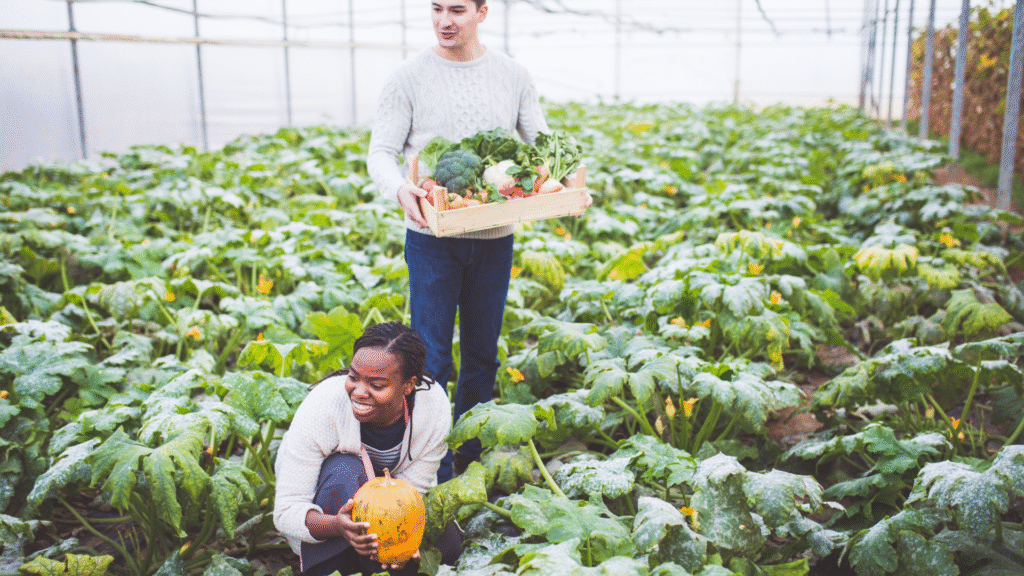
Growing food at home has become increasingly popular as people seek to eat healthier and become more self-sufficient. With just a few simple steps, anyone can start a productive home garden, ensuring a steady supply of fresh produce. This process not only provides delicious fruits and vegetables but also offers a rewarding hobby that connects individuals with nature.
To start, selecting the right plants for the local climate and available space is crucial. Choosing easy-to-grow options like herbs, tomatoes, and salad greens can help newcomers build confidence in their gardening skills. Understanding soil quality, sunlight requirements, and watering needs will further enhance the chances of a successful harvest.
As one immerses oneself in the world of home gardening, they will discover various techniques to maximise yields, such as companion planting or vertical gardening. This journey towards self-sufficiency not only promotes sustainability but also fosters a greater appreciation for where food comes from.
Planning Your Home Food Garden
Planning a home food garden requires careful thought about location, layout, and the plants to grow. This section outlines critical decisions to create a productive and enjoyable space for cultivating fresh vegetables.
Choosing the Right Location
Selecting the right spot for a garden is essential for ensuring healthy plant growth. A sunny area that receives at least 6–8 hours of sunlight daily is ideal. Additionally, it is important to consider proximity to a water source for easy irrigation.
Avoid locations with strong winds that could damage plants. Containers or raised beds can mitigate poor soil quality or space limitations. It is also advisable to choose a spot away from mature trees to prevent root competition and shade.
Designing Your Garden Layout
Garden layout plays a pivotal role in maximising space and enhancing plant growth. A well-planned garden can accommodate various plants, ensuring they receive adequate light, water, and nutrients.
Several planting methods exist, such as square foot gardening, which uses small, defined sections to optimise space. Companion planting can also benefit both space usage and pest control. Organising plants by height and water needs will promote healthy growth and ease of maintenance.
In addition to this, installing the right structure can provide support and increase the aesthetics of the garden. This can require taking the assistance of professional Trex Fencing Contractors, or similar others, who can set up the perfect solution for the garden. It can result in a beautiful and secure garden space that can thrive throughout the year.
Selecting Seeds, Bulbs, and Tubers
Choosing the right seeds, bulbs, or tubers is crucial to a successful garden. First, considering local climate and soil conditions will help in selecting varieties that thrive in the area.
Heirloom varieties often provide a richer taste and better adaptability, while hybrid options may offer disease resistance. A diverse selection can lead to a more abundant yield, ensuring a continuous supply of fresh vegetables.
Essential Tools and Supplies
A few essential tools make gardening easier and more productive. Basic tools include a spade, trowel, and rake for soil preparation, along with watering cans or hoses for irrigation.
Other supplies like compost, fertiliser, and mulch will support plant health. An assortment of planting containers can be beneficial for individuals with limited space, ensuring that they can still grow their fresh vegetables efficiently.
Setting Up and Preparing the Garden
Creating a productive garden requires careful planning and preparation. Key aspects include constructing raised beds or using grow bags, selecting an appropriate potting mix, and starting a composting system.
Building Raised Beds and Grow Bags
Raised beds are an excellent choice for growing food at home. They improve drainage, provide better soil control, and can reduce pest issues. The standard height for a raised bed is 30 to 45 cm, allowing easy access for planting and maintenance. Building one is simple with rot-resistant wood or composite materials. These are also good for keeping pests away, as you can put sharp material around the base. Make sure to look for cockroach removal in Virginia or other areas if you do see any critters, though.
Grow bags offer flexibility, especially where space is limited. They come in various sizes and are made from fabric or plastic. To use them effectively, ensure they have drainage holes and are filled with a quality potting mix. Both options promote healthy root development, leading to better harvests.
Choosing a Suitable Potting Mix
A good potting mix is essential for healthy plant growth. Look for a blend that contains peat moss, compost, and perlite or vermiculite. These ingredients improve aeration, moisture retention, and nutrient content.
When purchasing potting mix, it is crucial to avoid products with synthetic fertilisers, as they can harm beneficial microorganisms. For homemade mixes, ratios of 2:1:1 of peat moss, compost, and perlite work well. Regularly checking pH levels-ideally between 6.0 and 7.0-ensures optimal growth conditions.
Starting Composting at Home
Composting is a sustainable way to recycle kitchen scraps and garden waste. Beginners should start with a compost bin that can accommodate kitchen waste, dry leaves, and grass clippings. Maintaining a balance of green materials (nitrogen-rich) and brown materials (carbon-rich) is vital.
Turning the compost every few weeks promotes aeration, speeding up the decomposition process. The compost will be ready in about three to six months, depending on conditions. This rich organic material can then be added to raised beds or pots, enhancing soil fertility and structure.
Growing and Caring for Your Food
Growing food at home involves several crucial steps, from sowing seeds to nurturing plants and understanding seasonal requirements. This section provides specific insights into key practices for successful food gardening.
Sowing Seeds and Planting Tubers
Sowing seeds is the first step in growing vegetables. It’s important to choose the right time and method for each type of seed. For instance, carrot seeds should be sown directly into the soil, about 1cm deep, in well-prepared, loose earth.
Tubers, such as potatoes, require a different approach. They should be chitted first, exposing them to light to encourage sprouting. Plant these chitted tubers approximately 10-15cm apart, ensuring they are buried in fertile soil.
Maintaining consistent moisture during germination is crucial. A light misting can keep the soil damp without washing away seeds. Regular monitoring helps prevent pests and diseases.
Easy-to-Grow Vegetables for Beginners
Beginners should focus on easy-to-grow vegetables that require minimal care. Lettuce, radishes, and peas are excellent options. These crops typically germinate quickly and can be harvested in a short time.
Lettuce varieties can be sown in succession for continuous harvest. Radishes thrive in cooler weather and can be ready in as little as 30 days. Peas not only offer a nutritious yield but also enrich the soil through nitrogen fixation. Using seed trays and containers can simplify the process. Ensure proper drainage, and fill containers with high-quality compost to support healthy growth.
Nurturing Fruit, Vegetables, and Herbs
Caring for plants requires attention to their specific needs. Vegetables and herbs generally need 5-6 hours of sunlight per day. Regular watering helps establish a strong root system, particularly during dry spells.
Fertilisers can enhance growth. An all-purpose organic fertiliser applied every few weeks can support the plants. Keep an eye out for pests, such as aphids or slugs, and apply organic pest control methods when necessary.
For herbs, regular pruning encourages fuller, bushier growth. This practice isn’t just for smaller plants; even large trees benefit from periodic pruning. It is essential to check trees for any pest-infested stems or branches that need to be trimmed away. Maintaining Tree Health plays a vital role in a thriving garden.
Growing fresh fruit in particular can sometimes attract insects like bees or wasps, especially in warm climates or densely planted areas. While these insects play an important role in pollination, they can occasionally become a nuisance or pose risks when nesting near homes or patios. In such cases, seeking out services that offer humane bee relocation Phoenix (or in your local area) can help manage the situation without harming these important pollinators. This approach supports a balanced, eco-friendly gardening practice.
Seasonal Tips: Winter and Root Vegetables
In winter, certain root vegetables are ideal for planting. Varieties such as turnips, parsnips, and garlic can thrive in cooler weather. Utilising raised beds can improve drainage and protect plants from harsh conditions. Adding a thick layer of mulch can insulate the soil, preserving moisture and temperature.
When growing vegetables in winter, it is essential to select frost-resistant varieties. Planning with crop rotations ensures continuous yield. By following these steps, growing food at home can be both rewarding and sustainable.
Harvesting and Making the Most of Your Homegrown Produce
Knowing when and how to harvest crops is essential for maximising their flavour and nutritional value. Proper cooking and storage methods can also enhance the enjoyment of homegrown produce. Engaging children in gardening can foster an appreciation for food and nature.
When and How to Harvest Crops
Timing is crucial for harvesting. For instance, tomatoes should be harvested when they are fully coloured, but still firm. Lettuce is best picked just before maturity for optimal sweetness. Potatoes can be harvested early for new potatoes or later when the skins have hardened.
To harvest root vegetables like beetroot and carrots, gently loosen the soil around them, pulling them out carefully to avoid damage. Check runner beans and broad beans frequently; they should be picked while still young and tender. For herbs like thyme, basil, and parsley, snip off leaves as needed, which encourages further growth.
Cooking and Storing What You Grow
Freshly harvested produce maintains the best flavour and nutrition. Tomatoes can be used in salads or sauces, while strawberries are perfect for desserts or smoothies. Lettuce and salad leaves are best enjoyed fresh, immediately after picking.
When storing, place herbs like cress and thyme in water to keep them fresh for longer. Potatoes should be stored in a cool, dark place to prevent sprouting. Vegetables like celery can be wrapped in a damp paper towel and placed in the fridge to extend their crispness.
For cooked meals, incorporating a variety of homegrown ingredients can enhance flavours. A strawberry and basil salad or a potato and thyme bake can be delightful options.
Getting Children Involved in Gardening
Engaging children in gardening is a rewarding experience. They can learn valuable lessons about food production, patience, and responsibility. Start with quick-growing crops like cress or radishes, which provide immediate results that can maintain their interest.
Assigning simple tasks like watering or weeding can instil a sense of accomplishment. Growing strawberries can be particularly fun for children, as the fruit is easily accessible and delicious. Children can also help in the kitchen, preparing dishes with the produce they have nurtured.
By making gardening a family activity, children develop a deeper connection to the food they consume, fostering lifelong healthy eating habits.