
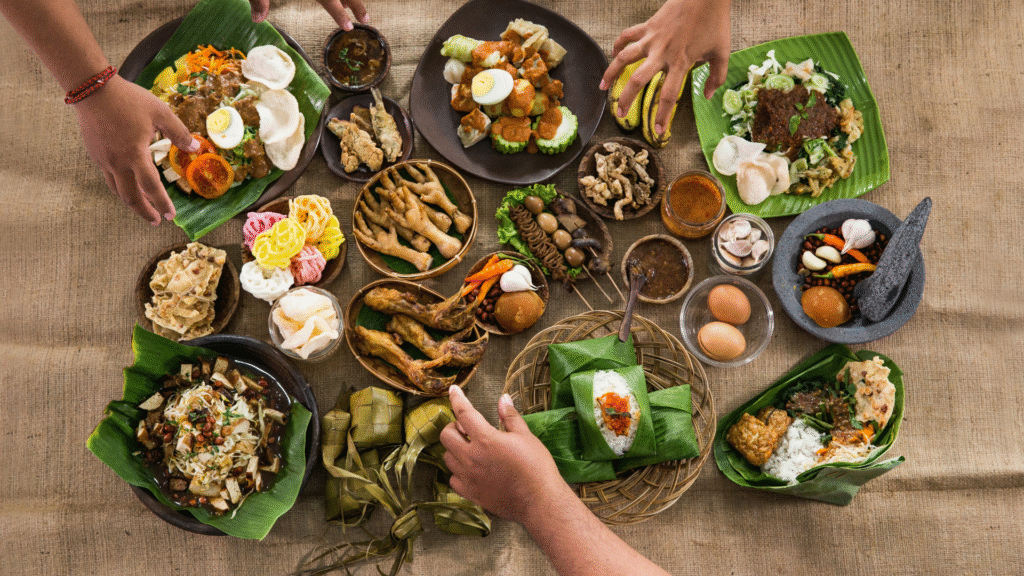
Food is a vital part of human culture, revealing insights into history, geography, and social customs. Each nation has unique culinary practices shaped by its environment and traditions. Exploring these food traditions offers a glimpse into the heart of diverse cultures, enhancing appreciation for global diversity.
From the communal feasts of East Africa to the elaborate rituals of Japanese tea ceremonies, food traditions serve as a bond among communities. They encapsulate stories passed through generations and highlight the significance of shared meals. Readers will discover how these traditions not only nourish the body but also enrich social connections.
As people traverse different regions, they encounter unique flavours and preparations that tell a story. Each dish embodies cultural significance and reflects the values and history of its people. Engaging with these traditions can inspire individuals to embrace new culinary experiences and foster a deeper understanding of global cultures.
Iconic Food Traditions by Country
Food traditions vary significantly across different countries, reflecting unique histories and cultural influences. The following sections explore some key culinary customs from Spain, Japan, Mexico, and Italy.
Spanish Culinary Customs
Spain is known for its vibrant and diverse food traditions, which vary by region. Tapas, small dishes served alongside drinks, are a hallmark of Spanish dining and encourage social interaction. Common tapas include patatas bravas, chorizo al vino, and pan con tomate.
In addition to tapas, meal times in Spain are distinct. Lunch is often the largest meal, typically enjoyed around 2 p.m., while dinner is served later in the evening, often around 9 p.m. The tradition of the siesta reflects the cultural emphasis on leisurely meals and family time.
Many festivals throughout Spain highlight specific foods. For example, La Tomatina is a famous tomato-throwing festival that celebrates the region’s agricultural produce, bringing communities together through food and fun.
Japanese Festivals and Food Etiquette
Japan celebrates various festivals that revolve around food, honouring seasonal ingredients and culinary art. Hanami, the cherry blossom viewing festival, often features bento boxes filled with rice, fish, and seasonal vegetables enjoyed under the blooming cherry trees.
Food etiquette is paramount in Japanese culture. It is customary to say “itadakimasu” before meals, expressing gratitude for the food. Using chopsticks properly is also significant; it is polite to avoid sticking them upright in rice.
Traditional drinks such as sake or matcha tea also play an important role in culinary customs. Seasonal delicacies like moon cakes during the Mid-Autumn Festival showcase Japan’s deep respect for nature and its bounty.
Traditional Foods of Mexico
Mexican cuisine is rich in history, combining indigenous and Spanish influences. Staples such as corn, beans, and chillies form the foundation of many dishes. Tacos, tamales, and enchiladas are popular and can vary immensely by region.
Festivals such as Día de los Muertos are integral to food traditions. Families prepare favourite dishes for deceased loved ones, including pan de muerto, a sweet bread often decorated to celebrate life.
Mexican food is also deeply communal. Many recipes are shared among families, with gatherings centred around large meals. The vibrant use of spices and herbs not only adds flavour but also reflects the culture’s colourful heritage.
Distinctive Italian Food Rituals
Italy is renowned for its regional food customs that showcase local ingredients. Each region boasts unique dishes, from risotto in the north to pizza and pasta in the south.
The ritual of sharing a meal is celebrated, with Sunday dinners often involving extended family. Traditional dishes might include lasagne or osso buco, served alongside a fine Italian wine.
Festivals such as Ferragosto involve communal feasting and highlight seasonal produce. The importance of fresh ingredients is emphasised, with many Italians favouring local markets. Preparation methods are often passed down through generations, ensuring that culinary traditions endure.
Celebratory Dishes and Cultural Holidays
Food plays a significant role in cultural celebrations around the world. Traditional dishes often reflect regional ingredients and customs, creating a unique culinary tapestry for each holiday. Understanding these traditions enhances appreciation for diverse cultures.
Christmas Food Traditions Worldwide
Christmas food varies widely from country to country, featuring a range of delightful dishes. In Germany, the celebration often includes stollen, a rich fruit bread, along with roast goose served on Christmas Eve. In the UK, roast turkey is traditional, accompanied by Brussels sprouts and mince pies.
Italy brings a seafood feast known as La Vigilia, with dishes like baccalà (salted cod) and various fish preparations. In Latin America, tamales are a popular choice, made with corn dough and filled with meats or sweets. Each dish showcases local flavours and customs, making Christmas a festive and communal occasion.
Hanukkah and Jewish Food Customs
Hanukkah is marked by specific foods that hold cultural significance. Latkes, or potato pancakes, are commonly served, fried in oil to commemorate the miracle of the oil lasting eight days. They are often accompanied by applesauce or sour cream.
Another traditional dish is sufganiyot, jelly-filled doughnuts also fried in oil. These sweet treats reflect the festive spirit and are a staple in many Jewish homes during the holiday. Each dish holds symbolic meaning, tying families to their heritage and shared history during Hanukkah.
New Year’s Day Meals Across Cultures
Diverse cultures celebrate the New Year with special dishes intended to bring good luck and prosperity. In Spain, it is customary to eat twelve grapes at midnight—one for each stroke of the clock. Each grape represents a month of the year.
In Southern United States traditions, black-eyed peas are often eaten for luck, served with collard greens representing wealth. Similarly, in Japan, Osechi ryori is prepared, consisting of various dishes each symbolising wishes for health and happiness in the coming year. These diverse meals connect communities to age-old practices and hopes for the future.
Distinctive Festive Foods and Their Origins
Festive celebrations around the world are often marked by specific foods that reflect local traditions and cultural significance. These dishes, each unique to its origin, play a vital role in holiday festivities.
Sweet Christmas Specialities
Many countries feature sweet treats during Christmas. Panettone originates from Italy and is a sweet bread loaf filled with candied fruit. It is traditionally served on Christmas Day, often enjoyed with a glass of wine.
Christmas pudding from Britain is a rich dessert made with dried fruits, spices, and a splash of whisky, often steamed and served with brandy sauce. Another French favourite is bûche de Noël or Yule log, a chocolate sponge cake rolled and decorated to resemble a log, representing the ancient Yule tradition.
Hearty and Savoury Holiday Favourites
Hearty dishes also play a prominent role in holiday meals. In the United States, Christmas ham is a classic choice, often glazed with honey or maple syrup.
Tamales, a staple in Mexican celebrations, consist of masa filled with meats or vegetables, wrapped in corn husks, and steamed. They embody family traditions, often made in large batches for gatherings. Bacalao, or salted cod, is prevalent in Spanish and Portuguese festivities. It can be prepared in various ways, such as stews or fritters.
Regional and Unusual Holiday Foods
Different regions have their unique holiday foods. In Eastern European celebrations, kutia is a sweet grain dish made with wheat, honey, and poppy seeds, symbolising peace and prosperity. Latkes, crispy potato pancakes, are a key component in Jewish Hanukkah celebrations, often served with applesauce or sour cream.
In the southern United States, black-eyed peas and cornbread are traditional dishes served on New Year’s Day, believed to bring good luck in the upcoming year. Lastly, pickled herring is a holiday staple in Scandinavian countries, served as part of a smorgasbord, showcasing the significance of fish in festive celebrations.
Lesser-Known Food Customs from Around the World
Food customs often reflect cultural heritage and local ingredients. Traditional practices can vary significantly, revealing unique stories behind each gathering or meal.
Traditional Barbecue Gatherings
In South Africa, the braai is more than just a barbecue; it is a social event. Loved ones gather outdoors, often on weekends, to grill a variety of meats, including boerewors (sausage) and steaks over an open flame.
The cooking method typically involves wood or charcoal, which imparts a distinct smoky flavour. Accompaniments include pap (maize porridge) and chakalaka, a spicy vegetable relish. Singing, storytelling, and laughter are common, making the braai a celebration of community and culture, linking generations through shared traditions.
Those communal flames have also been reimagined in urban restaurants, where chefs bring open-fire techniques indoors to recreate the smoke-kissed flavours of a backyard barbecue. In London, contemporary smokehouses translate that tradition into menus centered on grilled and house-smoked cuts.
For a clear example of this approach, many diners seek out a Soho steak restaurant, or elsewhere, that focuses on live-fire cooking and smoked meats. Discussing these modern interpretations helps illustrate how regional barbecue rituals influence city dining scenes. It also gives readers a practical way to experience the cultural threads described above.
Iconic International Fast Food Festivities
In the United States, Kentucky Fried Chicken (KFC) has become synonymous with family gatherings, particularly during special occasions like Christmas and Thanksgiving. Many families incorporate KFC into their holiday meals.
This custom arose from KFC’s marketing strategy in the 1970s, promoting its fried chicken as a festive dish that saved time for busy families.
In Japan, a similar trend has emerged. Many citizens celebrate Christmas by enjoying KFC, a custom that began in the 1970s. The practice includes special Christmas buckets and is a fascinating intersection of Western influence and Japanese consumer culture.
Central and Eastern European Holiday Meals
Countries like Poland and Germany have rich holiday traditions centred around food. In Poland, Wigilia, the Christmas Eve dinner, features twelve meatless dishes, symbolising the twelve apostles.
Traditional foods include beetroot soup, herring, and various dumplings. Families often set an empty plate at the table for unexpected guests, illustrating hospitality.
In Germany, Osterbrunch during Easter is a celebration that showcases seasonal produce and regional specialities. Dishes often include lamb, pastries like Osterlamm, and green sauce, adding a local flavour to the festive occasion.
Scandinavian Festive Food Practices
In Scandinavian countries, the Julbord is a traditional smorgasbord served during the Christmas season. This buffet-style meal features an array of dishes, including pickled herring, gravlax (cured salmon), meatballs, and various breads. The Julbord is known for its visual appeal, presenting vibrant colours and diverse textures.
Another notable feast is Midsummer, celebrated with dishes such as new potatoes, herring, and strawberries. It signifies the arrival of summer and is an occasion filled with outdoor festivities, symbolising abundance and connection to nature.