
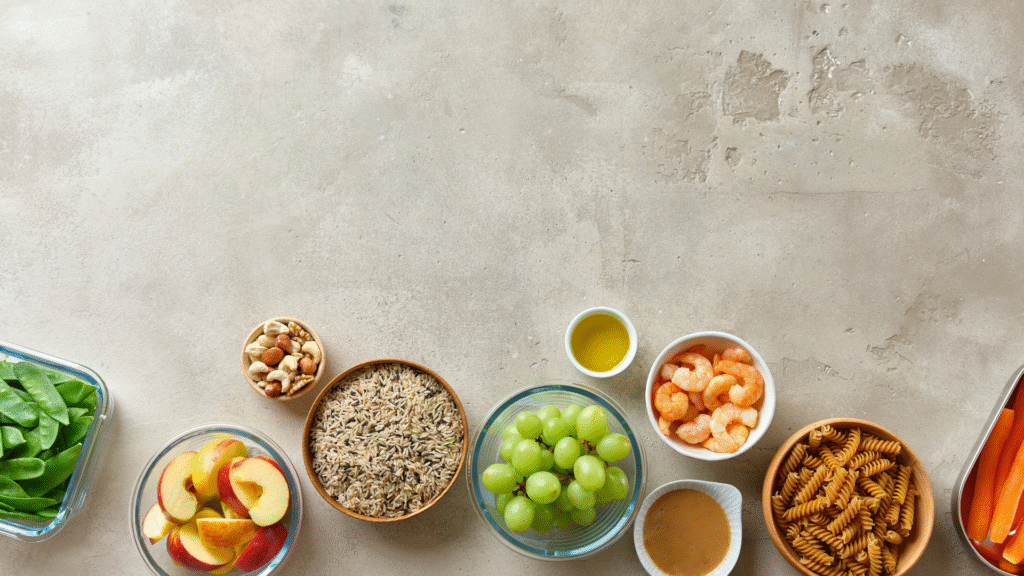
Creating colourful meals not only enhances the visual appeal of dishes but also adds a variety of flavours and nutrients. The best ingredients for achieving this vibrant effect include a range of fresh vegetables, fruits, and herbs, each bringing their own unique colours and health benefits. Bright peppers, deep purple eggplants, and vibrant greens can transform a simple plate into a feast for the eyes.
Utilising spices and sauces can further elevate the colour palette of any meal. For instance, turmeric adds a warm, golden hue, while beetroot injects a stunning red. Incorporating these ingredients can inspire creativity in the kitchen and encourage a playful approach to cooking.
Diversity in meal preparation is key to not only a visually pleasing presentation but also a balanced diet. By selecting ingredients with various colours, one can ensure a comprehensive intake of essential vitamins and minerals, making meals not just attractive but nutritious as well.
Essential Colourful Ingredients for Vibrant Meals
Colourful meals not only please the eye but are often packed with essential nutrients. Incorporating a variety of ingredients can enhance both visual appeal and nutritional value.
Fresh Fruits and Vegetables
Fruits and vegetables are the cornerstone of vibrant meals. They are rich in vitamins, minerals, and antioxidants, contributing to overall health.
- Red Bell Peppers: High in vitamin C and antioxidants, they add a sweet crunch.
- Spinach: This leafy green is loaded with iron and fibre, providing a lush green aspect.
- Blueberries: Known for their antioxidant properties, they add a burst of colour with natural sweetness.
Choosing produce across the colour spectrum ensures a range of nutrients. Bright colours often indicate high levels of vitamins, enhancing both flavour and nutrition.
Natural Food Colourings
For those looking to enhance their meals without artificial additives, natural food colourings are an excellent choice. Ingredients like beetroot, turmeric, and spirulina can bring colour to a dish while offering health benefits.
- Beetroot: This deep red root is rich in folate and important minerals. It can add a vibrant hue to salads and smoothies.
- Turmeric: Known for its bright yellow colour, turmeric contains curcumin, which has anti-inflammatory properties.
- Spirulina: This blue-green algae is nutrient-dense, providing proteins and essential fatty acids along with its distinct colour.
Choosing natural colourings not only enhances aesthetic appeal but also adds nutritional benefits.
Grains and Pulses
Incorporating colourful grains and pulses can elevate meals nutritionally and visually. These ingredients are often high in fibre, essential for digestive health, and can also be sources of plant-based protein.
- Quinoa: Available in various colours, quinoa is high in protein and offers essential amino acids.
- Lentils: Available in green, red, and black, lentils are a great source of iron and protein. They can add texture and colour to dishes.
- Black Rice: Known for its striking appearance, black rice is high in antioxidants and provides a nutty flavour.
These ingredients not only enhance the colour of meals but also contribute to a balanced diet. Choosing a variety of grains and pulses ensures a range of nutrients while making meals visually appealing.
Balancing Nutrition and Visual Appeal
Creating visually appealing meals does not have to compromise nutritional value. By harmonising colour and nutrition, meals can be both enticing and healthful. This balance can be achieved through thoughtful ingredient selection.
Incorporating Protein Sources
Incorporating proteins not only adds visual interest but also essential nutrients. Lean meats, legumes, and dairy provide high-quality protein, and each type can contribute to colour. For example, grilled chicken offers a golden hue, while black beans introduce a rich contrast.
Plant-based proteins like chickpeas, lentils, and tofu can provide vibrant colours. Chickpeas can be roasted with spices to enhance flavour and visual appeal. Including a variety of proteins ensures a complete amino acid profile and supports muscle health. Additionally, proteins can be garnished with herbs, which aids in visual enhancement. For instance, a sprinkle of fresh parsley or basil adds a pop of green while also introducing vitamins and minerals.
Adding Nutrient-Dense Elements
Fruits and vegetables are essential for adding colour and nutritional value. Brightly coloured produce like bell peppers, berries, and leafy greens is rich in vitamins, minerals, and antioxidants. Incorporating a variety of these can increase fibre content and overall nutrient density. For instance, a salad with mixed greens, cherry tomatoes, and avocado not only looks appealing but also provides healthy fats, vitamins A, C, and K.
Spices such as turmeric and paprika not only enhance flavour but also add vibrant hues. These spices are known for their antioxidant properties, promoting health while keeping meals visually delightful. In summary, using a range of colourful, nutrient-dense ingredients can effectively balance both visual appeal and nutritional needs in any meal.
Creative Dishes and Techniques for Colourful Cooking
Bright and colourful meals can transform dining experiences. Various techniques and recipes allow for the incorporation of vibrant ingredients that enhance both the visual appeal and nutritional value of dishes.
Rainbow Recipes for Everyday Meals
Rainbow recipes utilise a variety of colourful fruits and vegetables to create visually striking meals. A typical example is a vibrant salad featuring ingredients like red tomatoes, orange carrots, yellow bell peppers, green cucumbers, blueberries, and purple cabbage.
To prepare, chop the vegetables uniformly for an appealing presentation. Dressing options such as a lemon vinaigrette or a creamy avocado dressing add flavour without compromising the colours. Incorporating grains such as quinoa or brown rice can further enhance nutritional value while maintaining a colourful palette. Presentation plays a crucial role; use clear bowls to showcase the layers and hues.
Smoothie Bowls and Vibrant Breakfasts
Smoothie bowls offer an exciting way to enjoy breakfast while highlighting colourful ingredients. Start with a base of blended fruits like bananas, mangoes, or berries for a nutrient-rich foundation. Toppings can include sliced fruits, granola, seeds, and nuts arranged in artistic patterns. For further visual impact, consider creating colour gradients by blending different fruits separately.
Using toppings such as shredded coconut or edible flowers can elevate the dish’s aesthetic, making it Instagram-worthy. Smoothie bowls are not only healthy but also encourage creativity in breakfast preparation.
Paella and Global Inspirations
Paella, native to Spain, is a perfect example of a colourful dish that combines various ingredients harmoniously. Traditional recipes use saffron for its golden hue, complemented by ingredients like shrimp, chicken, peas, and bell peppers.
Customising paella to include seasonal vegetables and proteins can offer a new twist. Adding green beans or tomatoes not only enhances colour but also adds nutritional diversity. Presentation in a wide, shallow pan allows for a vibrant display. Garnishing with parsley or lemon wedges can enhance the dish’s appeal, ensuring it makes a striking centrepiece at any gathering.
Baking and Decorating Colourful Creations
Creating visually appealing baked items involves using vibrant batters and eye-catching decorations. The choice of ingredients and techniques plays a significant role in achieving the desired colour and presentation.
Colourful Cake Batters and Doughs
To produce colourful cake batters, food colouring is a vital ingredient. Liquid, gel, and powdered food colourings are available, each offering different intensities. Gel colours are often preferred for batters, as they provide rich hues without altering the batter’s consistency.
When mixing colours, starting with a small amount is advisable. It’s easier to add more until the desired shade is achieved. For those seeking natural colour alternatives, ingredients like beetroot powder, turmeric, or matcha can impart striking colours while enhancing flavours.
Baking multiple layers with distinct colours creates a stunning effect. Each layer can alternate in shades, offering a delightful surprise when sliced. Perfecting the baking time ensures a tender, moist texture, which complements the colour presentation.
Bright Icing and Decorative Finishes
Icing serves as an essential component for colourful presentations. Buttercream and fondant are popular choices for decoration. Using various food colourings allows for a palette of shades for icing. To create bright icing, using gel food colouring yields a vivid finish. A simple buttercream icing can be enhanced with colour and flavour, transforming it into a decorative element. Edible glitters or sprinkles can further elevate the visual appeal.
Piping techniques add finesse to the decorations. Different nozzle types can create various designs, from flowers to swirls. Layering techniques with contrasting colours can provide depth and interest, captivating anyone who sees the finished creation. By incorporating these elements, bakers can ensure their creations not only taste delightful but also look stunning on any table.