
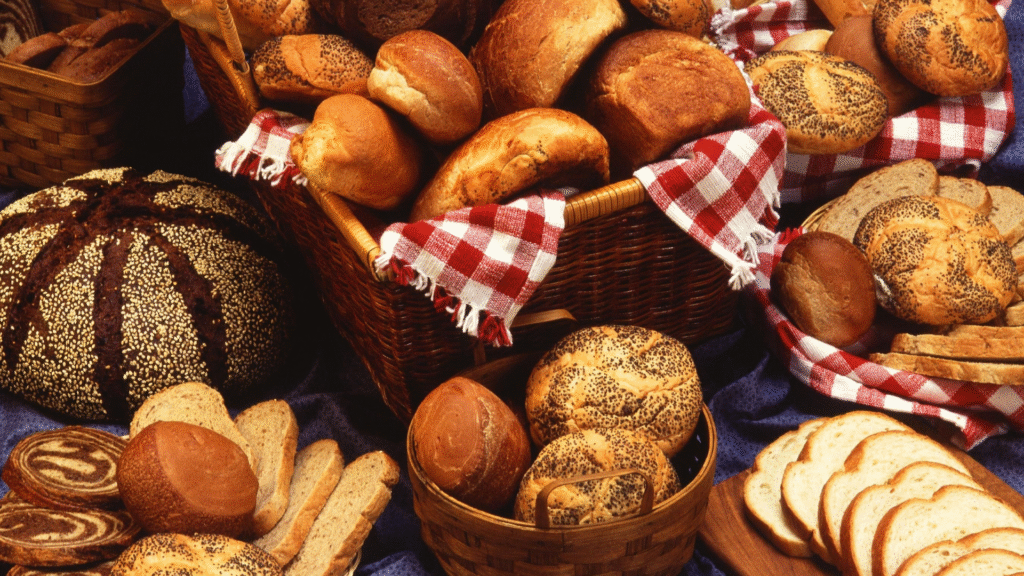
Baking is often seen as an exact science, where precision and flawless execution are paramount. Yet, in this pursuit of perfection, something valuable is frequently overlooked. The beauty of imperfection in baking lies in its ability to create unique, character-filled treats that tell a story and evoke nostalgia.
When a loaf of bread emerges from the oven with a rustic appearance or a cake sports a lopsided edge, these imperfections can enhance its charm. They invite a sense of warmth and comfort, reminding us that not everything needs to be pristine to be delightful. Embracing these quirks allows for creativity and individuality in the kitchen, turning everyday bakes into personal expressions of artistry.
As bakers learn to accept and celebrate flaws, they often find that these discrepancies not only enhance the visual appeal but also contribute to richer flavours and textures. This journey toward recognising the value of imperfection transforms the baking experience, making it more enjoyable and relatable for everyone involved.
Embracing the Beauty of Imperfection in Baking
Baking often presents challenges that lead to unexpected outcomes. Embracing these imperfections allows bakers to discover beauty and character in their creations.
The Meaning of Imperfection
Imperfection in baking signifies authenticity and individuality. Each flaw, from unevenly risen cakes to slightly burnt edges, tells a story about the baking process. These unique characteristics enhance the appeal of homemade goods. Rather than seeking uniformity, many bakers appreciate the charm of mistakes, which contribute to the overall experience.
Bakers can find value in these imperfections. They show that each creation is a personal reflection rather than a mass-produced item. The authenticity derived from these flaws often resonates more deeply with those who enjoy the baked goods.
The Concept of Wabi Sabi in Baking
Wabi Sabi is a Japanese aesthetic that finds beauty in the imperfect and transient. This philosophy encourages bakers to celebrate the unique, often asymmetrical, results of their efforts. For example, a loaf of bread with a rustic shape exemplifies Wabi Sabi, showcasing its handmade nature.
Incorporating this concept into baking invites creativity and mindfulness. By prioritising the process over perfection, individuals explore flavours and techniques without the pressure of achieving flawless results. This approach fosters a connection with the food, enhancing appreciation for its complexities.
Finding Uniqueness in Homemade Creations
Each homemade creation possesses inherent uniqueness, making it special and personal. From the colour variations in a batch of cookies to the texture of a pie crust, these details evoke character.
Baking allows for experimentation, encouraging bakers to try new ingredients or methods. This exploration often results in unexpected flavours or textures, reinforcing the idea that beauty lies in diversity.
Celebrating these differences can forge a deeper bond between bakers and their creations, highlighting the joy of authenticity in baking. Thus, embracing imperfections ultimately enriches the baking experience for all involved.
How Imperfection Defines Artisan Baking
Artisan baking thrives on the unique traits that come from its handmade nature. The imperfections found in each loaf contribute to its character and quality, distinguishing it from mass-produced alternatives that favour uniformity.
Handmade Versus Mass-Produced: What Sets Artisan Bread Apart
Artisan bread is crafted by skilled bakers using traditional methods, prioritising quality over quantity. Every batch is a reflection of the baker’s artistry and the natural elements involved, such as flour and water.
Differences in techniques lead to irregular shapes, textures, and flavours. Each loaf tells a story, echoed in its unique appearance. These variations arise from factors like moisture levels, ambient temperature, and individual kneading styles, making every loaf distinct.
Crust, Cracks, and Other Flourishing Flaws
The crust of artisan bread often showcases a symphony of textures, colour, and cracking. These ‘flaws’ speak to the baking process, indicating proper fermentation and moisture balance. A well-developed crust traps steam, enhancing flavour during baking and yielding that desirable crunch.
Cracks on the surface are common and contribute to the visual appeal. They result from the tension of the dough as it rises and bakes, a natural outcome of the fermentation process. These characteristics enhance not only the aesthetics but also the sensory experience of the bread.
Transformation Through the Fermentation Process
Fermentation is at the heart of artisan bread-making. This process allows yeast to interact with the dough, creating flavour development and also affecting the texture.
As dough ferments, it transforms through the release of gases. These gases create bubbles that give the bread its lightness and unique structure. Tension built during the folding process results in a varied crumb and crust, demonstrating that imperfection can lead to remarkable results in flavour and texture.
Artisan bakers embrace this transformation, viewing imperfections as opportunities to enhance the uniqueness of their bread. Each loaf becomes a testament to the beauty found in natural variability.
The Influence of Mistakes and Failure on Baking Success
Mistakes and failures in baking are often viewed negatively, yet they play a crucial role in developing skills and enhancing flavours. Embracing these moments can lead to valuable lessons and unique twists in recipes.
Learning from Mistakes in the Kitchen
Mistakes in baking can be enlightening. Each error offers insight into the science behind recipes. For example, underbaking a cake can lead to a dense texture, prompting the baker to adjust timing or oven temperature next time.
Bakers can learn the significance of precise measurements. Miscalculating ingredients can alter flavours and textures. By analysing why a particular outcome occurred, they can refine their techniques for future endeavours.
Additionally, keeping a baking journal can help track lessons learned. Documenting mistakes helps recall what went wrong and encourages growth. This reflective practice fosters continuous improvement.
Turning Flaws Into Flavours
Failures can produce unexpected and enjoyable results. A collapsed soufflé might lead to a new recipe, such as a delicious pudding. Instead of discarding failed attempts, creative bakers can explore their potential.
Sometimes, flour can be substituted or mixed unexpectedly, leading to new flavours. For instance, adding spices or citrus zest can elevate a simple recipe. Mistakes can inspire innovation, creating delightful surprises for the taste buds.
This approach epitomises the beauty of imperfection. By embracing flaws, bakers can develop unique signature dishes that stand out. This transformation encourages experimentation and adventure in the kitchen.
Building Confidence Through Failure
Failure is vital for building confidence in baking. When a baker faces setbacks, it teaches resilience. Each failure represents an opportunity to improve, crafting a mindset that welcomes challenges.
By practising consistently, bakers gain the courage to try new techniques or recipes. The realisation that even professionals make mistakes helps demystify the baking process. This understanding fosters a more relaxed atmosphere in the kitchen.
Confidence grows as bakers develop a deeper understanding of their craft. With each mistake, they learn to embrace imperfections, knowing they are part of the journey. This confidence can lead to greater creativity and joy in baking.
Celebrating the Character of Imperfect Bakes
Embracing imperfections in baking invites authenticity and character into every creation. Each flaw and unique detail contributes to the story behind the bake, celebrating its homemade charm.
The Charm of Homemade Cakes and Everyday Bakes
Homemade cakes often showcase personal touches that reflect the baker’s style. A slightly lopsided layer or a rustic icing application adds character, distinguishing these bakes from shop-bought varieties.
Texture variations also enhance the experience, providing a contrast between the crispy edges and soft interiors. Each homemade treat, such as a loaf of cake or muffins, tells a story of care and creativity, emphasising the beauty found in imperfections.
The flavours might be a little uneven, but this is part of the allure. The comforting warmth of a familiar recipe evokes a sense of nostalgia, reminding one of gatherings and shared moments.
Imperfect Showstoppers: Birthday and Sponge Cakes
Birthday cakes and sponge cakes often inspire celebration. Their imperfections can become conversation starters, making them memorable for all the right reasons. A sponge cake with a bit of a sunken centre or uneven layers may lack professional polish, yet it offers authentic charm. Guests often appreciate the effort and love poured into creating these bakes.
Decorating a birthday cake can yield unexpected results; perhaps the icing drips a bit, resulting in a delightful, playful vibe. These flaws make each cake unique, sparking joy and laughter at celebrations. Ultimately, these memorable desserts carry the spirit of their makers, celebrating individuality and creativity.
Writing and Sharing Stories of Imperfection
Bakers often enjoy sharing their journeys, highlighting the lessons learned along the way. Writing about baking experiences reveals the trials and triumphs that accompany each attempt.
An imperfect cake can lead to amusing anecdotes, inspiring others to embrace their mishaps. Sharing photos of flawed bakes on social media underscores the importance of authenticity in the baking community.
Through storytelling, bakers connect over their shared experiences and motivate others to experiment without fear. Each story adds to the rich tapestry of baking history, where every imperfection is celebrated for its unique character.