
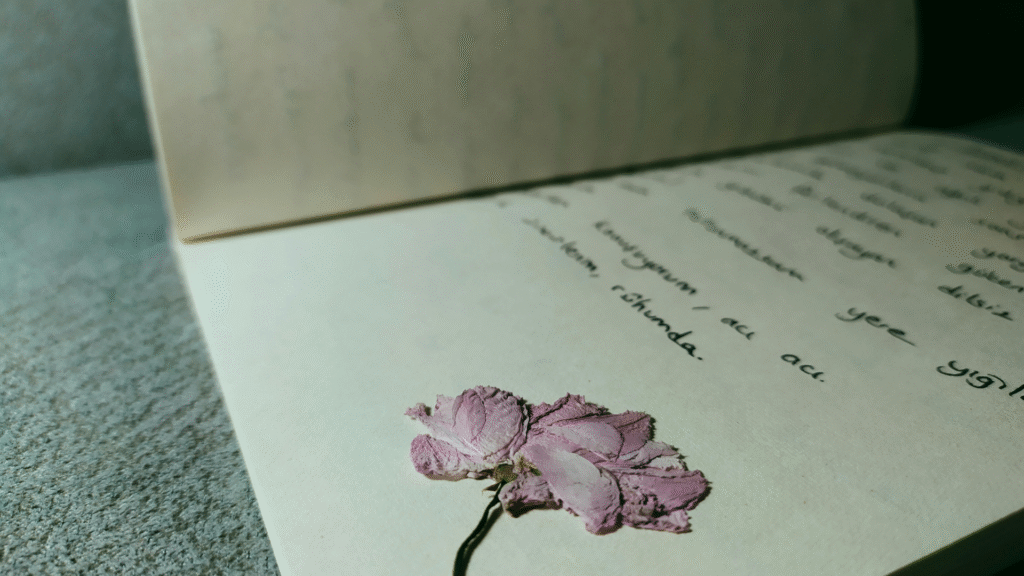
Starting an art journal can be a transformative way for individuals to express themselves creatively. An art journal offers a unique space for personal reflection, allowing individuals to explore their feelings, ideas, and experiences through art and writing. This process can enhance emotional well-being and promote mindfulness, making it a valuable tool for self-discovery.
To begin an art journal, one only needs a few basic supplies such as a blank notebook, some paints or coloured pencils, and an open mind. Engaging with the journal does not require artistic skills; the focus should be on genuine expression rather than perfect technique. Individuals can experiment with various formats, combining drawing, painting, and writing to capture their thoughts and emotions.
As they embark on this journey, it’s essential to create a welcoming and private environment that encourages freedom of expression. Whether illustrating dreams, recording daily events, or grappling with challenges, an art journal can serve as a companion and catalyst for creativity. Embracing this practice might reveal new insights and foster a deeper understanding of oneself.
Understanding Art Journalling for Self-Expression
Art journalling acts as a powerful tool for self-expression, connecting personal creativity with the therapeutic aspects of writing. It allows individuals to explore their thoughts and emotions visually and verbally, fostering deeper self-discovery and emotional resilience.
The Connection Between Journaling and Self-Expression
Art journaling merges artistic elements with traditional journaling. This combination provides a unique outlet for individuals to articulate feelings and experiences.
Using a variety of materials-such as paints, collages, or drawings-enhances expression beyond words. This visual representation can unlock emotions that are difficult to convey verbally. Participants can freely explore their identities and thoughts through imagery and text. This facilitates a dialogue with oneself, encouraging introspection and self-awareness.
Benefits for Mental Health and Emotional Healing
Engaging in art journaling significantly benefits mental health. It serves as an emotional release, allowing individuals to confront and process complex feelings. Research indicates that creative practices can reduce anxiety and depression. The act of creating art acts as a form of mindfulness, grounding individuals in the present moment.
Regular practice promotes emotional healing by providing a safe space to express vulnerabilities. This therapeutic engagement can lead to increased resilience and improved emotional regulation over time.
Personal Growth Through Creative Practice
Art journaling is a pathway to personal growth. By reflecting on experiences through creativity, individuals can identify patterns and insights about their behaviour and emotions. This practice encourages risk-taking in artistic expression, which can translate into other life areas. Overcoming the fear of imperfection fosters a growth mindset and creativity.
Furthermore, setting aside time for this practice nurtures self-discipline and commitment. Individuals often find clarity in their goals and aspirations, accelerating their personal development journey.
Getting Started: Essential Art Journalling Tools and Materials
Starting an art journal requires careful selection of tools and materials. The right supplies enhance creativity and self-expression, allowing individuals to explore various techniques.
Choosing Your Journal and Paper
Selecting the right journal is crucial. Artists often choose between hardbound, spiral-bound, or loose-leaf options. Each type offers different benefits, such as easy page turning or a flat surface for drawing.
Paper quality matters significantly. Seek journals with thick, acid-free paper to avoid bleed-through. Common weights range from 200 to 300 gsm, suitable for painting and mixed media. Additional considerations include journal size. A5 is portable, while A4 provides more space for larger pieces. Testing different options can help in finding the ideal fit.
Must-Have Art Supplies and Materials
Essential supplies include pencils, ink pens, and paint. Graphite pencils allow for sketching and shading, while ink pens add detail. If you like a bit of flexibility in your work, you might want to get an erasable pen. These can allow you to refine your lines without starting over, making them especially useful for journaling or planning layouts. Watercolour, acrylic, or gouache paints are popular choices for adding colour.
Mixed media materials can enhance a journal. Items like gesso prepare surfaces for better paint adherence. Tools such as brushes, sponges, and palette knives facilitate various techniques.
Further, incorporating materials such as collage papers, old magazine cuttings, or fabric pieces can create texture and visual interest in pages. Stamping and stencilling tools provide additional creative options.
Experimenting with Art Techniques and Mixed Media
Encouragement to explore diverse techniques is vital. This can include drawing, painting, or digital art. Techniques such as layering paint create depth. Using gesso for a base layer allows for smoother application of subsequent colours.
Mixed media provides rich opportunities. Artists can blend watercolours with acrylics, or utilise collage alongside drawing. Exploring these combinations fosters personal style and innovation.
Additionally, maintaining a loose approach aids in self-expression. Allow mistakes to guide artistic decisions, embracing unpredictability. Experimentation leads to unique outcomes and personal growth as an artist.
Creative Approaches and Practices in Art Journalling
Art journaling blends different creative practices, offering varied ways to express feelings and ideas. By combining visual elements with written reflections, individuals can cultivate a deeper understanding of their thoughts. This section identifies specific techniques to enhance self-expression through art journaling.
Integrating Drawing, Painting, and Collage
Incorporating drawing, painting, and collage enriches the experience of art journaling. Each medium brings its layer of expression. For instance, drawing allows for immediate expression of thoughts, while painting can convey emotions through colour.
Collage offers a unique method to juxtapose images and materials, creating visual storytelling. By gathering found objects, such as magazine cuttings or fabric scraps, individuals can create multi-dimensional pages. This practice invites experimentation, making art journals dynamic and personal.
Expressive Writing and The Use of Quotes
Expressive writing complements visual elements, enhancing the depth of the art journal. Writers can articulate feelings surrounding their artwork or life experiences. Incorporating quotes adds another layer of meaning. Relevant quotes can inspire creativity and reflect the emotions being explored.
Including personal reflections prompts self-discovery. They encourage deeper thoughts and feelings about daily life and how they relate to personal creativity. This merging of words and visuals cultivates authenticity within the journal.
Daily Routines for Sustained Creativity
Establishing a daily routine is beneficial for nurturing creativity in art journaling. A regular practice fosters discipline, encouraging individuals to engage with their journal consistently. Setting aside time each day, even just fifteen minutes, can make a significant impact on creative output.
Incorporating rituals, such as specific materials or themes, can orient focus and inspire ideas. Routine doesn’t need to be rigid; flexibility allows spontaneous creativity. This adaptability supports ongoing engagement, helping to maintain the art journal as a vital part of daily life.
Overcoming Creative Blocks with Courage and Compassion
Encountering creative blocks is common in any artistic practice. Approaching these moments with courage can encourage renewed exploration. Acknowledging feelings of frustration and self-doubt fosters compassion towards oneself, which is essential in moving forward.
Using prompts or exercises tailored to break through blocks can be useful. For example, free writing for several minutes can unlock thoughts, while guided imagery might provide visual inspiration. This practice ultimately transforms obstacles into opportunities for growth, reinforcing the notion that creativity is an evolving journey.
Art Journalling for Self-Care and Emotional Wellbeing
Art journaling can serve as an effective tool for self-care, fostering emotional well-being through creative expression. It provides a unique space for individuals to process grief, connect with themselves and others, and build a sustainable self-care routine.
Using Art Journals for Grief and Trauma Recovery
Art journaling can play a vital role in navigating grief and trauma. It allows individuals to express emotions that may be difficult to articulate verbally. Through drawings, paintings, or mixed media, people can tangibly explore their feelings and experiences.
Creating specific pages for memories, reflections, or even timelines can help in processing loss. This sense of tangible representation allows individuals to confront their emotions safely. Incorporating prompts or questions can guide the journaling process, ensuring that it remains focused on healing.
Connecting with Yourself and Others Through Art Journaling
Art journaling fosters a connection not only to oneself but also to the broader community. By sharing art with others, individuals can find solidarity and understanding among those who have similar experiences. This sharing can be done through online platforms or local art groups.
Engagement in group art journaling sessions allows for the exchange of ideas and emotional support. It encourages conversation around challenging topics such as grief and trauma, helping individuals feel less isolated and more connected.
Building a Lifelong Relationship with Self-Care
Creating an art journal can be the beginning of a lifelong commitment to self-care. Establishing a routine around journaling encourages individuals to prioritise their mental health regularly. Setting aside dedicated time for this activity fosters discipline and personal growth.
The flexibility of art journaling supports the unique needs of each individual. They can choose the mediums and techniques that resonate with them, ensuring that their practice remains enjoyable and fulfilling. This ongoing relationship with self-care nurtures resilience, making it easier to face future challenges.