
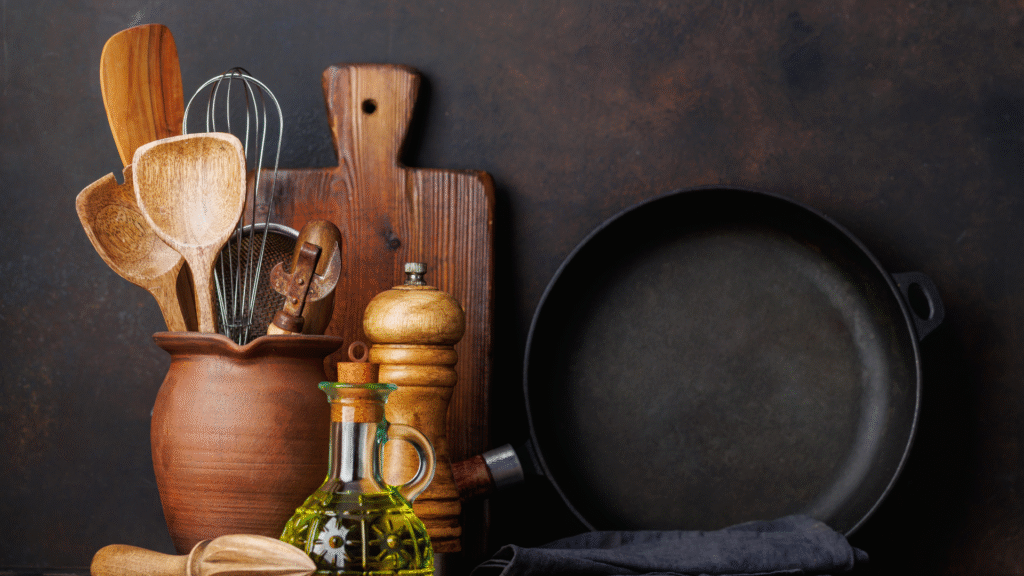
Cooking can transcend mere sustenance; it serves as a powerful medium for self-expression. Many individuals find that through the act of preparing food, they can convey emotions, cultural identity, and personal stories. By embracing cooking as an art form, one can elevate the meal beyond taste, transforming it into a canvas for creativity and individuality.
The ingredients chosen, the techniques employed, and the presentation all reflect the cook’s personality and experiences. From bold spices to delicate garnishes, each element plays a role in showcasing unique narratives and preferences. This makes the kitchen not just a place for nourishment, but also a sanctuary where creativity flourishes.
As people experiment with flavours and textures, they engage in a dialogue with their heritage and desires. Each dish they create becomes a snapshot of their inner world, inviting others to partake in their journey through food. Cooking, therefore, is not just a duty; it is a compelling form of self-expression.
The Art of Cooking as Self-Expression
Cooking serves as a unique outlet for individuality, allowing for personal statements through food choices and techniques. By harnessing creativity within the culinary arts, individuals can transform basic recipes into expressions of their identity and tastes.
Creativity in the Kitchen
Creativity thrives in the kitchen, where basic ingredients become a palette for innovation. Chefs and home cooks alike often explore new methods, flavours, and presentations. Adapting techniques from various cuisines can lead to unexpected combinations, like fusion dishes that surprise the palate. Each plate can reflect personal style, showcasing preferences in aesthetics and taste.
Many food writers highlight how creativity can reinvigorate traditional recipes, offering a fresh perspective. This artistic approach not only enhances cooking skills but also invites experimentation.
Transforming Recipes into Personal Statements
Recipes provide a framework for culinary expression. Skilled cooks often take classic dishes and personalise them, infusing flavours that resonate with their narratives. Many online recipe platforms offer inspiration through a wide range of ideas, from traditional meals to modern twists, including popular beef recipes that home cooks can adapt to suit their preferences. Variations in ingredients can transform a simple recipe into a meaningful experience. For instance, substituting spices or adding local produce can speak to one’s heritage or environmental values.
This transformation reflects a cook’s journey, making the meal a story. It shows how personal experiences and memories can uniquely shape the food served.
Ingredients as a Canvas for Innovation
Ingredients serve as a canvas for culinary innovation, allowing cooks to express their creativity vividly. Selecting unique or unconventional items can lead to dishes that convey deeper meanings. Consider how seasonal produce influences choices, highlighting a commitment to sustainability. Innovative use of spices can evoke cultural backgrounds, making cooking a rich narrative.
In this way, the careful selection and combination of ingredients turn cooking into a dynamic art form. Each meal becomes not just nourishment but a vivid expression of self through the culinary landscape.
Well-Being, Mindfulness, and Personal Growth through Cooking
Cooking can significantly enhance well-being, promote mindfulness, and foster personal growth. Engaging in culinary activities allows individuals to connect with themselves, improving their emotional and mental health while practising self-care and self-love.
Mindful Cooking Practices
Mindful cooking emphasises being present during the cooking process. This approach encourages individuals to focus on each step, from selecting ingredients to plating the final dish. By practising mindfulness, one can reduce stress and anxiety, creating a calming culinary experience.
Incorporating elements of yoga and meditation can enhance mindful cooking. For instance, deep breathing before starting can centre the mind. Utilising recipes that require attention to detail can also facilitate a meditative state. This connection with the task at hand leads to greater satisfaction and a sense of accomplishment.
Cooking for Emotional and Mental Health
Cooking can serve as a powerful tool for improving emotional well-being. Preparing food allows individuals to express their feelings and creativity. This form of self-expression can alleviate symptoms of depression and anxiety.
Those dealing with mental health challenges often find solace in the kitchen. Cooking familiar recipes can evoke positive memories, providing comfort during difficult times. Experimenting with new dishes can also stimulate the brain, encouraging a growth mindset aligned with the principles of positive psychology.
Self-Care and Self-Love in the Kitchen
The kitchen is an ideal space for practising self-care and self-love. Taking time to prepare nourishing meals demonstrates a commitment to one’s health and happiness. This often translates into improved self-esteem and overall well-being.
Engaging in self-care through cooking can include choosing whole, nutritious ingredients or creating aesthetically pleasing meals. Setting aside dedicated time for cooking allows individuals to prioritise their needs and cultivate a rewarding experience. Simple actions, like enjoying a meal without distractions, reinforce the notion that they deserve love and care.
Cooking as a Source of Meaning, Agency, and Community
Cooking serves as a vessel for individuals to find meaning in their lives, assert agency, and build connections within their communities. Through purposeful routines and shared experiences, cooking fosters an environment where nourishment and love are expressed.
Establishing Purpose and Routine
Cooking brings structure to daily life. Preparing meals can become a meaningful ritual, allowing individuals to carve out time in their schedules dedicated to creativity and self-care. As they engage in this task, they create a sense of purpose that fosters a deeper connection to their choices and environment. The rhythmic nature of cooking can further enhance well-being, providing calming predictability amid life’s uncertainties.
This routine can manifest through meal planning, grocery shopping, and cooking. It encourages mindfulness and presence, transforming everyday activities into opportunities for self-reflection and growth.
Opportunity for Connection and Shared Experience
Cooking often leads to social interactions and the formation of community bonds. Events such as potlucks allow people to share their culinary creations, skills, and traditions. These gatherings foster connection through communal experiences centred around food. Preparing a meal for others creates a space where gratitude and appreciation thrive, enhancing interpersonal relationships.
Restaurants also serve as focal points for community engagement. They transform cooking into an experience shared with others, inviting diners to explore diverse flavours and cultures together.
Nourishing Others and Expressing Love
Food is a profound way to convey love and care. When individuals cook for others, they provide nourishment that goes beyond mere sustenance. Meals prepared with intention create an ambiance of warmth and comfort, making guests feel valued and cherished. The act of cooking for friends and family instills a sense of agency in the chef, affirming their role in nurturing relationships.
Through food, they express emotions such as love and gratitude, reinforcing communal ties. Whether through a lavish family dinner or a simple delivery of a home-cooked meal, the essence of cooking as a love language enriches connections and fosters a sense of belonging.
Skills, Risk, and Flexibility in the Culinary Process
Cooking serves as a platform for personal expression and development. It combines essential skills, embraces risks, and requires flexibility in the culinary journey.
Building Confidence and Pride through Cooking
Developing cooking skills fosters self-esteem and confidence. Mastering basic techniques, such as baking cookies or sautéing vegetables, allows individuals to see tangible progress. When a dish turns out well, it instills a sense of pride. This feeling can be especially rewarding when sharing creations with others, as social connections enhance the cooking experience.
Creating food that reflects personal taste also empowers individuals, reinforcing their sense of agency. Ultimately, cooking provides a medium for self-expression, helping individuals discover their culinary identity.
Balancing Precision, Measurement, and Flexibility
In cooking, precision and measurement are crucial for consistency, particularly in baking. Accurate measurements ensure that ingredients interact correctly, leading to successful outcomes.
Yet, flexibility plays a vital role in culinary creativity. Recipes often serve as guidelines rather than strict rules. Adjusting seasonings or substituting ingredients allows for personalisation, adapting dishes to individual tastes. This balance between precision and flexibility encourages exploration. Chefs can replicate favourite recipes while also innovating, creating a unique blend of structure and creativity in the kitchen.
Embracing Uncertainty and Creative Risk
Cooking involves an inherent level of uncertainty. Not every attempt will yield expected results, which can be intimidating. Embracing this uncertainty can lead to exciting culinary discoveries. Taking risks, such as experimenting with flavours or techniques, allows for growth and innovation.
These creative choices may result in unexpected yet delightful outcomes, contributing to an individual’s culinary repertoire. The freedom to adjust and adapt in cooking mirrors the unpredictability of music, where improvisation leads to unique compositions.