
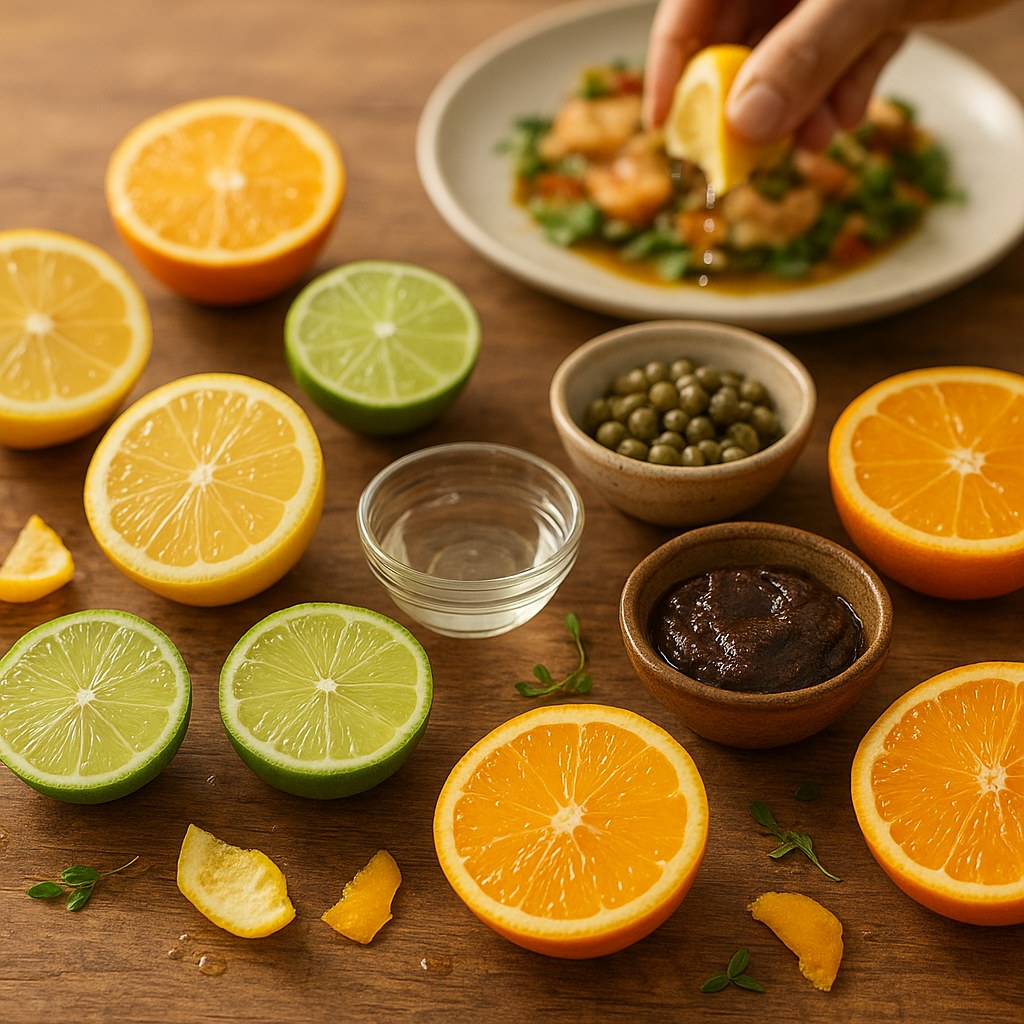
Acidity is one of the most powerful — and often underestimated — tools in cooking. A squeeze of lemon at the end of a dish, a splash of vinegar in a sauce, or a dollop of yoghurt alongside something rich: these aren’t just finishing touches. They’re flavour transformations. Understanding how acidity works in food can genuinely change the way you cook, helping you rescue flat dishes, cut through richness, and bring every ingredient on the plate into sharper focus.
This article explores the role of acidity in balancing culinary flavours, why it matters so much, how it interacts with the other basic tastes, and how to use it with confidence in everyday cooking.
Understanding the Five Basic Tastes
Before diving into acidity specifically, it helps to understand the broader flavour landscape. The human tongue can detect five basic tastes: sweet, salty, sour, bitter, and umami. Sourness is the taste associated with acidity — it’s what you experience when you eat a green apple, bite into a lemon, or taste a glass of dry white wine.
These five tastes don’t exist in isolation. In well-balanced food, they work together, each one influencing how you perceive the others. Salt enhances sweetness. Bitterness can balance richness. And acidity — sourness — has a remarkable ability to brighten, lift, and sharpen the flavours around it.
Umami, the fifth taste, is often described as savoury or meaty. It’s found in ingredients like parmesan, mushrooms, miso, and soy sauce. When combined with a touch of acidity, umami-rich dishes often taste far more vibrant and three-dimensional. It’s a pairing that chefs rely on constantly, even when they don’t explicitly talk about it.
What Makes Food Acidic?
Acidity in food comes from the presence of acids — organic compounds that lower the pH of an ingredient or dish. The most common culinary acids include:
- Citric acid — found in lemons, limes, oranges, and other citrus fruits
- Acetic acid — the main component in vinegar
- Lactic acid — present in fermented foods like yoghurt, soured cream, and buttermilk
- Malic acid — found in apples, pears, and some wines
- Tartaric acid — common in grapes and wine
- Oxalic acid — present in rhubarb, spinach, and sorrel
Each of these acids has a slightly different flavour profile. Citric acid is bright and sharp. Lactic acid is softer and more rounded. Acetic acid can be quite pungent and assertive. Understanding these differences allows cooks to choose the right acid for the job — a squeeze of lemon works beautifully on fish, but a splash of sherry vinegar might suit a braised lentil dish far better.
How Acidity Balances Flavours
The question of how to balance flavours is really a question of contrast and harmony. Acidity contributes to both. Here’s how it works in practice:
Cutting Through Richness
Fat-rich dishes — think slow-braised lamb, creamy pasta, or buttery hollandaise — can become cloying without something to cut through the heaviness. Acidity provides that contrast. The fat coats the palate, and the acid clears it, allowing you to taste the dish freshly with each mouthful. This is why a béarnaise sauce contains white wine and tarragon vinegar, why pork belly is often served with pickled apple, and why rich cheese boards are paired with chutneys or fruit with natural tartness.
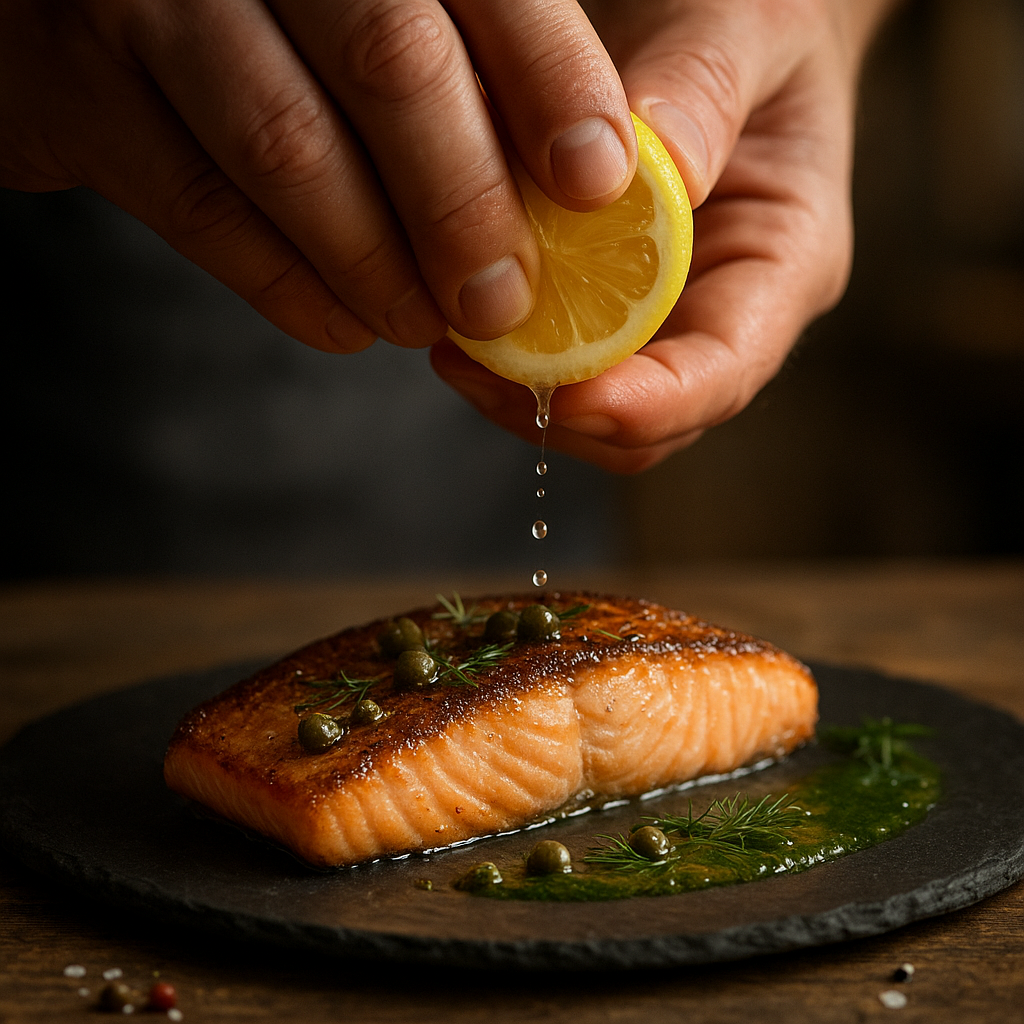
Enhancing Perceived Saltiness
One of the more surprising interactions in flavour balancing is the relationship between acid and salt. Adding a touch of acid to a dish can make it taste saltier, which means less actual salt is needed. This has real implications for cooking more healthfully — a squeeze of lemon over roasted vegetables, for example, can enhance flavour so effectively that you barely need to reach for the salt shaker at all.
Brightening Flat or Dull Dishes
If a dish tastes somehow “off” — flat, muted, or strangely one-dimensional — there’s a good chance it needs acid. This is one of the most common answers to the question of how to balance out acidity in food, but the reverse is equally true: dishes that lack acidity often taste dull. A pinch of salt is frequently cited as the fix for a flat dish, but a squeeze of citrus or a dash of vinegar can be just as transformative, sometimes more so. Professional cooks develop an instinct for this over time, always asking themselves whether a dish needs “lifting.”
Balancing Sweetness
Sweet and sour is one of the most classic flavour pairings in global cuisine — think tamarind in Indian cooking, ponzu in Japanese cuisine, or the vinegar-sugar combination in British pickles. Too much sweetness becomes cloying; too much sourness becomes unpleasant. But together, they create a dynamic tension that makes food genuinely interesting. Fruit-based sauces, glazes, and dressings often rely on this principle to achieve their complexity.
Tempering Bitterness
Bitter flavours — from coffee, dark leafy greens, or certain vegetables — can be softened and made more approachable with the addition of acid. This is why a classic Caesar salad dressing contains lemon juice alongside the bitter notes of Worcestershire sauce, or why citrus dressings work so well over radicchio and chicory. The acid doesn’t eliminate the bitterness but rounds it out and makes it more palatable.
Is Acid in Food Healthy?
This is a question that comes up frequently, and the answer is nuanced. Most dietary acids — particularly those from natural sources like citrus fruits, fermented foods, and vinegars — are perfectly healthy as part of a balanced diet. In fact, many are actively beneficial.
Fermented acidic foods like yoghurt, kefir, kimchi, and sauerkraut contain beneficial bacteria (probiotics) that support gut health. Apple cider vinegar has been studied for its potential effects on blood sugar management, though the evidence remains mixed. Citrus fruits are rich in vitamin C and antioxidants. Lactic acid fermentation is one of the oldest food preservation methods in human history, and fermented foods have experienced a significant resurgence in popularity in recent years — and for good reason.
The main caveat is dental health. Frequent consumption of highly acidic foods and drinks — particularly carbonated soft drinks and fruit juices — can erode tooth enamel over time. But using acidic ingredients as flavour tools in cooking, rather than consuming them in large quantities as drinks, poses very little risk for most people.
Practical Ways to Use Acidity in Cooking
Knowing the theory is one thing; applying it in the kitchen is another. Here are some practical, actionable ways to use acidity to improve your cooking:
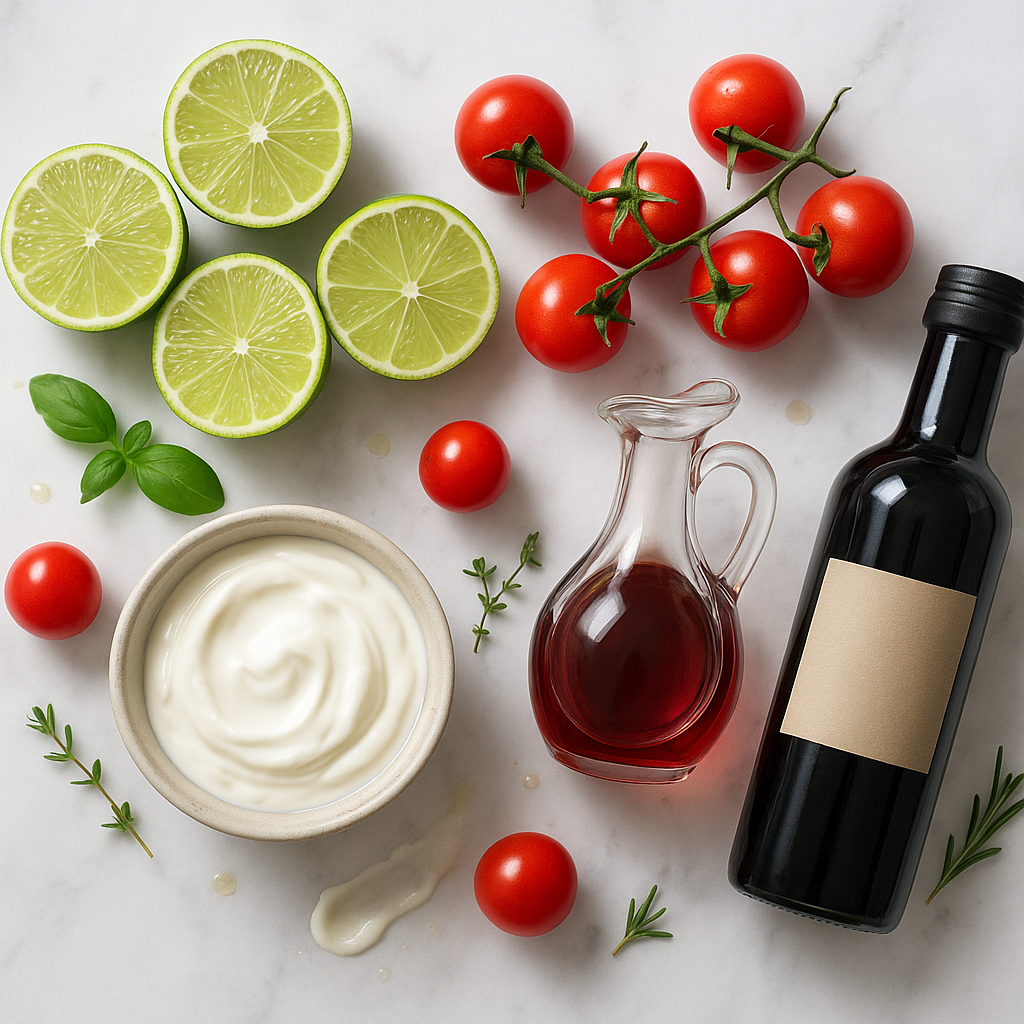
- Add lemon juice at the end of cooking, not the beginning. Heat diminishes the volatile compounds responsible for citrus brightness, so you’ll get more impact from a squeeze added just before serving.
- Use vinegar to deglaze a pan after roasting meat or vegetables. It lifts the caramelised bits and adds depth and brightness to a pan sauce simultaneously.
- Incorporate yoghurt or buttermilk into marinades for chicken or lamb. The lactic acid tenderises the meat and adds a subtle tang that complements spices beautifully.
- Make quick pickles to serve alongside rich main dishes. Even a simple combination of sliced cucumbers, white wine vinegar, sugar, and salt, left for 30 minutes, can provide the acidic counterpoint a heavy dish needs.
- Taste and adjust before serving. Train yourself to ask: does this dish need acid? If it tastes flat or overly rich, try a small squeeze of lemon or a few drops of vinegar before adding more salt.
- Match the acid to the dish. Delicate fish and seafood suit light citrus; robust stews and braises suit wine-based or malt vinegars; Asian-inspired dishes often benefit from rice vinegar or lime.
Common Acids in Global Cuisines
One of the most fascinating aspects of acidity in cooking is how differently various culinary traditions use it. In Mexican cuisine, lime is ubiquitous — from tacos to ceviche to guacamole, the acid is front and centre. In Japanese cooking, rice vinegar appears in sushi, pickles, and dressings, offering a gentler, more refined tartness. Middle Eastern cuisine relies heavily on pomegranate molasses, sumac, and lemon to provide its characteristic brightness.
In South Asian cooking, tamarind is a cornerstone acidic ingredient, used in chutneys, curries, and street food. European cuisines lean heavily on wine-based vinegars — sherry vinegar in Spain, balsamic in Italy, red wine vinegar in France. Each of these traditions has independently arrived at the same conclusion: food without acidity is flat food. Acidity is just one part of what makes a dish compelling — texture also plays a crucial role in how we perceive and enjoy flavour.
How to Balance Out Acidity When You’ve Gone Too Far
Of course, it’s possible to tip the scales too far in the other direction. If a dish becomes too acidic — too sharp, too puckering — there are several ways to bring it back into balance:
- Add a pinch of sugar or a small amount of honey to counteract sharpness in sauces and dressings.
- Introduce fat — butter, cream, olive oil, or coconut milk — which softens and rounds out overpowering acidity.
- Add more of the base ingredient. If a tomato sauce is too acidic, adding more tomatoes, onions, or vegetables dilutes the sourness.
- Use bicarbonate of soda sparingly. A tiny pinch can neutralise excess acid chemically, though it’s easy to overdo and can affect texture and flavour in other ways.
- Balance with salt, which can reduce the perception of sourness when used carefully.
Conclusion
Acidity is one of the fundamental building blocks of great cooking — not a seasoning to be used occasionally, but a flavour principle to be understood deeply and applied thoughtfully. It cuts richness, brightens dull dishes, enhances saltiness, tames bitterness, and creates the dynamic contrast that makes food genuinely satisfying to eat.
The five basic tastes — sweet, salty, sour, bitter, and umami — are all in constant conversation with each other on the plate. Sourness, the taste of acidity, is often the missing voice in a dish that feels somehow incomplete. Learning to hear when a dish needs it, and knowing which acid to reach for, is one of the most valuable skills any cook can develop.
Whether it’s a squeeze of lemon over grilled fish, a splash of red wine vinegar in a vinaigrette, or a bowl of tangy yoghurt alongside a spiced lamb dish, acidity has the power to transform good food into genuinely memorable food. It’s a simple principle with endlessly complex applications — and once you start cooking with it consciously, it’s very difficult to imagine cooking without it.