
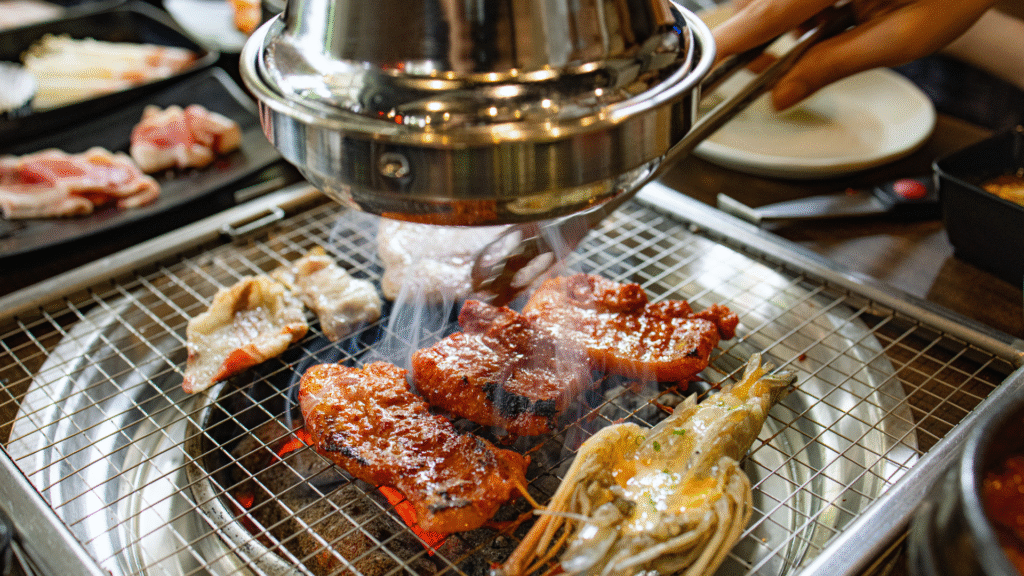
Culture shapes cooking techniques by influencing the ingredients used, methods of preparation, and flavour combinations. It reflects the environment, history, and traditions of a community, creating distinctive culinary practices passed down through generations. The influence of culture is central to how people cook, as it directly determines the tools, techniques, and tastes that define dishes worldwide.
Cooking styles vary widely between regions due to available resources and cultural values, such as the emphasis on communal dining or individual portions. For example, fermenting vegetables in Korean cuisine or slow-cooking in Mediterranean diets illustrates how culture dictates technique and flavour development.
Understanding the cultural roots behind cooking methods reveals more than just recipes; it uncovers the identity and lifestyle of those who create the food. This connection between culture and technique makes exploring global cuisines a deeper and more meaningful experience.
Cultural Foundations of Cooking Techniques
Cooking techniques develop from deeply rooted social practices, shaped by community habits, sources of ingredients, and historical knowledge. These foundations influence how food is prepared, presented, and valued within households and societies.
Traditions and Rituals in Culinary Practice
Many cooking techniques originate from long-standing traditions and rituals that regulate food preparation and consumption. For example, in Japan, the meticulous art of sushi-making reflects ritual precision and respect for ingredients.
Rituals often dictate the use of specific methods during festivals or ceremonies, such as slow roasting in indigenous cultures to honour ancestral practices. In some cultures, particular cooking methods signify social status or community belonging, affecting how recipes pass through generations.
These practices ensure continuity of culinary skills and maintain a connection between people and their cultural history through food.
Formation of Culinary Identity and Heritage
Culinary identity forms as communities develop unique cooking techniques tied to their heritage. Techniques such as fermentation in Korean kimchi or spice blending in Indian cuisine highlight the intimate link between culture and kitchen practices.
This identity helps define a group’s culinary heritage, creating a sense of pride and belonging. Homes become sites where recipes and cooking methods transmit familial and cultural values, reinforcing identity across generations.
The preservation of these methods contributes to diversity in global food culture and promotes awareness of cultural heritage through everyday meals.
Role of Environment and Agricultural Practices
Environment and local agriculture directly shape cooking techniques by determining ingredient availability and properties. Coastal regions often develop grilling or smoking methods suited for preserving seafood, influenced by nearby marine ecosystems.
Agricultural practices influence food texture and flavour, such as the use of earth ovens in tropical climates where root vegetables thrive. Sustainability and environmental impact shape cooking through choices that respect seasonal produce and reduce waste.
Understanding this connection highlights how culinary techniques reflect adaptation to the natural world and optimise local resources for nutrition and flavour.
How Culture Shapes Cooking Methods and Flavours
Culture directly impacts the choice of ingredients, the development of recipes, socioeconomic influences, and taste preferences. These factors combine to create distinct cooking methods and unique flavour profiles specific to each community.
The Influence of Regional Ingredients and Spices
Local availability of ingredients heavily dictates cooking techniques. For example, coastal regions favour grilling and steaming seafood due to fresh supplies, while mountainous areas often rely on slow-cooking tougher meats.
Spices such as cumin in Indian cuisine or paprika in Hungarian dishes define flavour profiles. The use of preserved ingredients like dried chillies or fermented sauces also shapes cooking methods, enabling longer storage and diverse tastes.
The selection of spices and herbs is not random; it corresponds with climate and local flora. This leads to a cohesive interaction between food choices and environmentally adapted cooking styles, influencing both preparation and flavour intensity.
Development and Evolution of Traditional Recipes
Traditional recipes evolve through generations, reflecting cultural values and available resources. Many start as simple preparations that grow complex with trade and ingredient introduction, such as the addition of New World crops like tomatoes in Italian cooking.
Cooking methods also change, incorporating new technologies or societal shifts. For instance, the shift from open fires to ovens altered baking styles in European countries.
Recipes often preserve techniques that highlight cultural identity, maintaining traditions while allowing subtle innovation. This balance ensures cuisine remains recognisable yet adaptable to changing food supplies and tastes.
Socioeconomic Status and Its Effect on Cooking
Socioeconomic status determines access to ingredients and kitchen equipment, shaping the complexity of cooking methods. Wealthier groups often incorporate diverse spices and multiple cooking processes, while lower-income communities may focus on economical, quick techniques like boiling or stewing.
This economic divide influences food choices, with affordable staples such as rice or root vegetables dominating lower socioeconomic cooking. More expensive protein sources and exotic spices tend to be limited to affluent households.
Adaptation to economic constraints leads to creative use of available resources. This practical approach to cooking affects not only methods but also the flavour profiles of traditional dishes.
The Role of Taste Preferences Across Cultures
Cultural taste preferences guide the seasoning and cooking styles adopted by different societies. Some cultures favour bold and spicy flavours, as seen in Thai or Mexican cuisine, where chilli heat is integral.
Conversely, others prefer subtle and mild tastes, evident in Japanese or Scandinavian food, emphasising freshness and natural ingredient qualities. These preferences directly influence the choice and amount of spices and herbs used.
Taste also affects cooking duration and temperature; for example, longer slow-cooking can intensify sweetness in some Mediterranean dishes, while shorter methods preserve delicate flavours in East Asian cuisine.
Globalisation, Innovation, and the Changing Landscape of Food Culture
Food cultures evolve as global connections grow, driven by technology, migration, and changing food systems. These dynamics shape culinary traditions and influence how cooking techniques develop and spread internationally.
Globalisation and Fusion Cuisines
Globalisation has increased access to diverse ingredients and cooking methods, enabling the creation of fusion cuisines. These combine elements from different culinary traditions, like Korean tacos or Japanese-Peruvian dishes, reflecting global interconnectedness.
Fusion cuisines often challenge traditional food boundaries, encouraging innovation in flavour combinations and techniques. They reflect changing food production and distribution networks that supply once-rare ingredients widely.
This blending can revitalise food culture but also raises questions about authenticity and cultural appropriation. Nonetheless, fusion highlights how globalisation reshapes what people cook and eat daily.
Social Media and the Diffusion of Cooking Techniques
Social media platforms accelerate the sharing of cooking methods across cultures. Videos and tutorials enable rapid adoption of techniques such as sous vide, fermenting, or flame-grilling by home cooks worldwide.
These platforms create food communities that cross geographic borders, supporting trends like plant-based diets or traditional preservation methods. They influence food culture by promoting experimentation and awareness of global culinary practices.
Moreover, social media often distils techniques into bite-sized content, making complex methods more accessible. This results in faster integration of diverse cooking styles into everyday kitchens.
Cultural Exchange Through Migration and Diaspora
Migration significantly impacts food culture by transferring culinary traditions to new regions. Diaspora communities introduce native cooking techniques, such as Indian spice blends or Middle Eastern grilling, to host countries.
This cultural exchange enriches local cuisine and encourages hybrid dishes that combine local and migrant food practices. It often revives traditional methods adapted to available ingredients.
Migrants also maintain their heritage through food, influencing food production and local markets by increasing demand for international ingredients. This creates a more diverse food system driven by multicultural interaction.
Food, Community, and Cultural Expression
Food acts as a bridge connecting individuals to their heritage, reflecting communal values through cooking and eating practices. Culinary traditions often stem from family interactions and shared experiences that preserve cultural identity.
Family Gatherings as Culinary Traditions
Family gatherings centre around specific dishes passed down across generations. These meals anchor cultural food practices by reinforcing shared memories and methods.
In many cultures, the preparation of traditional recipes during celebrations strengthens bonds. Recipes often include ingredients and techniques unique to the family’s region or history, helping maintain culinary heritage.
Such events promote the continuation of cultural knowledge. Younger generations learn cooking techniques directly from elders, ensuring the survival of specific food choices tied to identity.
The Importance of Communal Cooking and Sharing
Communal cooking fosters cooperation and cultural transmission. Preparing food together enhances social ties and teaches important skills related to traditional recipes.
Sharing meals in groups emphasises inclusivity and reciprocity within communities. This practice often involves collective decisions on food choices reflecting available resources and cultural values.
The act of serving food communally can also signify respect and unity. This highlights how cooking techniques are embedded in social rituals rather than being solely about nutrition or flavour.
Preserving Culinary Traditions in Modern Times
Modern lifestyles challenge the preservation of culinary heritage due to time constraints and globalised food systems. Yet, many communities actively adapt traditional recipes to maintain relevance.
Efforts include documenting recipes, teaching cooking classes, and using technology to share culinary knowledge. These help protect cultural food heritage from being lost.
Balancing convenience with tradition, some adapt cooking techniques to modern appliances without sacrificing authenticity. This approach keeps cultural food alive and meaningful despite societal changes.