
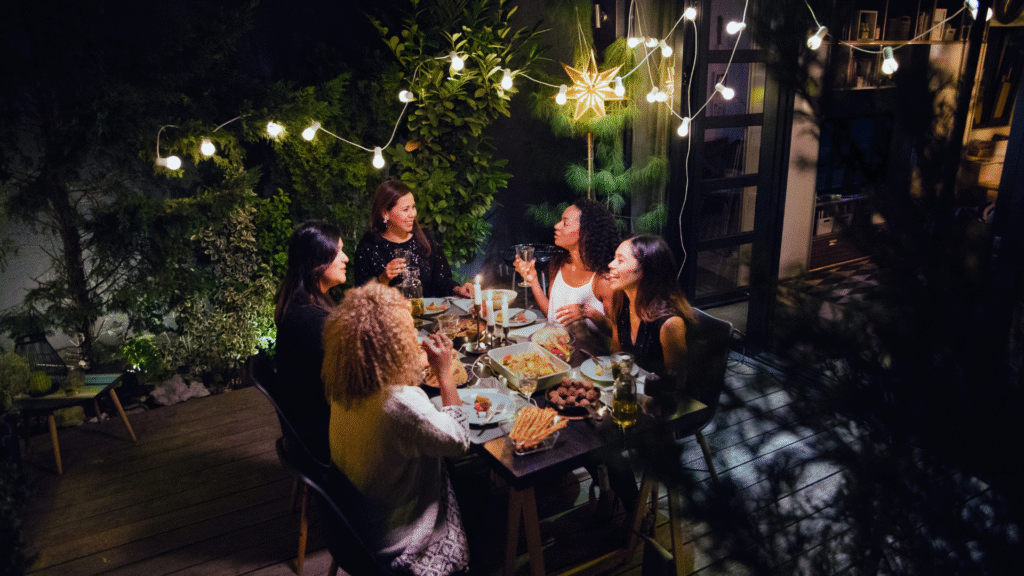
Hosting a dinner party with artistic flair means combining creativity with thoughtful planning to create a memorable experience. It’s about more than just food; it involves the atmosphere, presentation, and subtle details that reflect a personal touch.
The key to a successful artistic dinner party is to integrate visual and sensory elements that elevate the entire event without overwhelming the guests. From choosing unique tableware to incorporating artful lighting and themed décor, each aspect contributes to the overall impression.
By focusing on a cohesive style and carefully selecting each element, a host can turn an ordinary meal into an engaging, elegant gathering. This approach ensures guests feel both inspired and comfortable throughout the evening.
Crafting the Artistic Vision for Your Dinner Party
Creating an artistic atmosphere starts with clear decisions about tone, style, and guest dynamics. Attention to detail in theme, the selection of guests, and the invitations sets a focused and captivating foundation.
Selecting a Creative Theme
The theme defines the entire aesthetic and mood of the dinner party. It should be unique but actionable, allowing for consistent decoration, menu choices, and entertainment.
Themes such as “Impressionist Art Night” or “Vintage Film Noir” provide clear direction. Consider practicality; the theme must suit the space and the season.
Colour schemes and table settings should reflect the theme consistently. For example, pastel tones and floral patterns work well for an impressionist approach, while monochrome palettes suit film noir.
He or she should also decide on a dress code aligned with the theme to deepen guest engagement and create visual harmony.
Building an Inspiring Guest List
The guest list affects interaction and the overall energy of the event. It should balance personalities that complement each other and encourage conversation.
Including a mix of friends with shared interests, as well as new acquaintances, can add depth to discussions. Prioritise those who appreciate and contribute to the artistic ambience.
It’s important to consider the number of guests relative to space and seating arrangements. Too many can clutter the experience, while too few may lack dynamic interaction.
Hosts need to clearly communicate expectations to invitees, ensuring they understand the artistic nature of the evening and any dress code requirements.
Designing Unique Invitations
Invitations are the first tangible impression of the dinner party’s artistic theme. They should convey style and set the tone effectively.
Handcrafted elements or bespoke digital designs that echo the chosen theme make invitations stand out. For example, watercolour prints for an art-inspired event or black-and-white typography for a film noir night.
Details such as RSVP instructions must be clear and easy to follow. Include specific deadlines and preferred methods of response to streamline planning.
Adding personal touches, such as a brief note about the event’s concept or a suggested dress code, enhances anticipation and compliance.
Setting the Scene with Stylish Décor and Ambience
Creating a memorable dining experience involves attention to detail in both decorations and mood. Every element, from the table setting to lighting choices, contributes to the overall artistic feel and comfort of the evening.
Curating Table Settings and Fine Details
He or she should start with a clean, well-pressed tablecloth or quality table linens in a neutral or subtly patterned design. Fine china provides an elegant base, paired with crystal glassware to add sparkle. Matching or complementary cutlery elevates the setup further.
Napkins folded creatively or held with understated rings enhance visual interest. Place cards with clear, legible fonts personalise the arrangement and guide guests efficiently. Small artistic touches, such as a minimalist menu card or themed chargers, add flair without overwhelming the setting.
Choosing Artistic Centrepieces
The centrepiece acts as the focal point and sets the tone. A balanced arrangement avoids blocking sightlines or overcrowding the table. Natural elements like fresh flowers in muted tones work well; he or she can opt for seasonal blooms to reflect the occasion.
Alternatively, sculptural objects or low-profile vases create a modern artistic impression. It helps to keep colours and shapes in harmony with the table linens and overall colour scheme. Avoid anything too tall or fragrant, as it might distract from conversation or the scent of food.
Optimising Lighting for Atmosphere
Lighting should be soft and inviting to encourage relaxation and interaction. Candles, particularly pillar and scented varieties, provide warmth and a subtle fragrance that complements the meal. He or she can place lanterns or tea lights in glass holders to enhance safety and style.
String lights overhead add a whimsical touch if the venue allows, creating an intimate glow without harsh illumination. Adjustable dimmer switches on existing lights are useful for controlling brightness. Avoid fluorescent or overly bright bulbs to maintain a calm and artistic ambience.
Elevating the Menu with Culinary Creativity
A well-crafted menu balances variety, caters to guests’ needs, and features standout dishes and drinks. Attention to plating, portion sizes, and complementary beverages enhances the dining experience.
Planning Courses and Addressing Dietary Restrictions
Effective menu planning includes a clear sequence: starters, main course, and desserts. For example, a classic bruschetta starter can be light yet flavourful. The main course could be rich mashed potatoes paired with a roasted protein.
Identifying dietary restrictions beforehand is essential. Offering gluten-free or vegetarian options ensures everyone can enjoy the meal. Label dishes clearly and consider alternative serving dishes to prevent cross-contamination.
Portion sizes should allow guests to savour each course without feeling overwhelmed. Smaller, thoughtfully curated servings invite conversation and appreciation of flavours.
Showcasing Signature Dishes and Drinks
Incorporating signature dishes adds personality to the dinner party. Choosing a main course that reflects the host’s culinary style, such as herbed lamb or a layered vegetarian lasagna, creates a memorable experience.
Signature cocktails complement this approach. A bespoke drink tailored to the menu’s flavours, served in elegant glassware, impresses guests and elevates the evening.
Presentation matters: Arranging dishes artfully and using unique serving dishes can highlight key ingredients. Desserts, whether classic or inventive, should conclude the meal on a high note.
Pairing Wine and Creative Cocktails
Selecting the right bottle of wine sharpens the meal’s impact. Red wines match robust mains, while crisp white wines suit lighter starters such as bruschetta. Serving wine at the proper temperature enhances taste.
Creative cocktails offer an alternative palate experience. Mixologists might blend fresh herbs or seasonal fruits that echo the meal’s ingredients, crafting drinks that unify the event.
Using appropriate glassware for cocktails and wines ensures optimum flavour and guest enjoyment. Offering both options allows guests to customise their beverage experience according to preference.
Creating a Memorable Experience for Your Guests
Memorable dinner parties combine thoughtful details and engaging moments. Attention to atmosphere, guest engagement, and thoughtful closure elevates the event beyond a simple meal.
Incorporating Live Entertainment
Having a live musician enhances the ambience significantly. A solo guitarist or pianist playing soft, unobtrusive music sets a sophisticated tone without overpowering conversation.
Consider the timing carefully. Live music during the arrival or between courses keeps energy levels balanced and adds variety. Avoid overly loud or complex music that distracts guests.
Ensure the musician’s style complements the dinner party theme. For example, classical pieces fit a formal setting, while jazz might suit a more casual, artistic gathering.
Fostering Artistic Interaction and Etiquette
Encourage guests to engage with the artistic elements present, such as displayed artwork or handmade centrepieces. This can spark conversation and make the evening more interactive.
Clarify etiquette expectations subtly. For example, suggest that guests take turns sharing thoughts about the art or the music. This creates a structured, respectful environment for creative exchange.
Provide materials like note cards or small sketchpads to inspire guests to express their reactions. This adds a tactile, participative layer to the evening’s artistic flair.
Concluding with Lasting Impressions
End the dinner party with a deliberate gesture to leave a strong final impression. A thank-you speech or a small personalised gift related to the evening’s artistic theme works well.
Consider serving a unique dessert or a signature cocktail that reflects the artistic mood. This final sensory experience stays with guests after they leave.
Follow up promptly the next day with a message thanking guests. Mention a specific moment or shared experience from the night to reinforce the connection.