
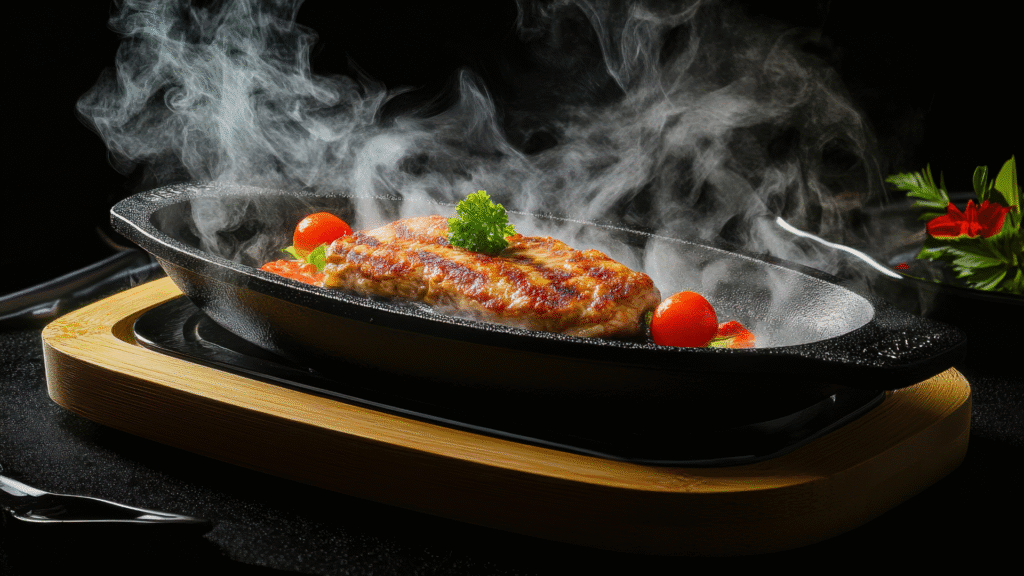
Traditional dishes carry the history and culture of a region, offering flavours that have stood the test of time. Yet, modern twists on these recipes bring new life and creativity to familiar tastes, providing a fresh experience for both cooks and diners.
Exploring traditional dishes with a modern twist means blending classic techniques and ingredients with contemporary ideas to enhance flavour, presentation, and nutrition. This approach respects heritage while embracing innovation, making classic meals more accessible and exciting.
It appeals to those who value both authenticity and creativity, inviting people to rediscover beloved recipes in a way that suits today’s culinary trends and lifestyles.
Understanding the Modern Twist on Traditional Dishes
Traditional dishes have evolved through changing tastes, techniques, and ingredient availability. This shift balances respect for heritage with innovation, driven by culture, technology, and personal expression.
The Evolution of Classic Recipes
Classic recipes often undergo adjustments to meet contemporary preferences. Ingredients may be substituted for health reasons, or cooking methods altered for efficiency.
For example, a traditional stew might be reworked with leaner meats or plant-based alternatives without losing its core flavour profile. Regional variations also contribute to the development of modern twists, adapting recipes to local ingredient access.
The evolution does not discard tradition but revitalises it, ensuring dishes remain relevant. This dynamic process allows traditional dishes to survive in a fast-changing culinary landscape.
Drivers of Culinary Creativity
Culinary creativity stems from multiple sources, including cultural exchange, technology, and personal innovation. Chefs experiment with textures, flavours, and presentations to reimagine established classics.
Globalisation expands ingredient availability, allowing fusion and new combinations. Technology such as sous vide cooking enhances precision and consistency, enabling refined modern twists.
Social media trends also influence creativity by popularising novel ideas and encouraging experimentation. Ultimately, culinary creativity thrives on blending respect for tradition with a forward-looking approach.
Balancing Tradition and Innovation
Successful modern twists maintain recognisable elements of the original dish. This balance respects the cultural significance and emotional connection people hold with traditional dishes.
Chefs must carefully evaluate which components to alter, preserving core flavours while introducing new techniques or ingredients. The objective is to complement rather than overshadow the original recipe.
Clear communication about these changes helps diners appreciate both the heritage and innovation. This balance is key to sustaining traditional dishes’ relevance in modern cuisine.
Techniques and Approaches for Reinventing Classic Dishes
Reinventing classic dishes requires a balance between tradition and innovation. Chefs use ingredient swaps, contemporary cooking techniques, international flavour pairings, and refreshed plating styles to create unique culinary experiences that respect the original while adding modern appeal.
Innovative Ingredient Substitutions
Ingredient substitutions allow chefs to update traditional recipes for current tastes and dietary needs. For example, replacing heavy cream with coconut milk lightens dishes while keeping richness, appealing to vegan or lactose-intolerant diners.
Swapping refined sugar with natural sweeteners like honey or maple syrup can add complexity and a subtle sweetness to desserts like custards or pies. Additionally, introducing ancient grains such as quinoa or farro in place of white rice brings new textures and improves nutritional value.
These substitutions maintain the essence of the classic dish but introduce modern health or flavour benefits, making reinvented dishes more accessible and appealing.
Modern Cooking Methods
Contemporary techniques such as sous vide, smoking, or flash-freezing alter textures and intensify flavours in classic recipes. Sous vide precision cooking ensures tender meats and consistent results without overcooking, ideal for iconic dishes like beef Wellington.
Smoking infuses depth and complexity to familiar ingredients — smoked paprika in devilled eggs or smoked salt on fries adds unexpected layers. Flash-freezing can create novel textures, as seen in avant-garde desserts like frozen foams.
Such methods push culinary creativity while respecting the core of traditional dishes, offering diners fresh sensory experiences through modern twists.
Fusion of Global Flavours
Incorporating spices, herbs, or sauces from other cuisines transforms the original flavour profile of classic dishes. Adding miso to a traditional French béchamel sauce adds umami and depth without overwhelming the dish.
Pairing Italian risotto with Indian spices or Mexican salsa can create new components that complement the fundamental structure of the dish. This blending respects the technique while expanding taste boundaries.
Fusion encourages broader cultural appreciation, inspiring chefs to reimagine familiar dishes with new, exciting identities.
Updating Classic Presentations
Presentation plays a key role in modernising classic dishes. Chefs use minimalist plating to draw attention to individual elements rather than large, heavy portions.
Techniques such as stacking ingredients, textural contrasts, and vivid edible garnishes offer visual appeal and enhance the eating experience. For instance, deconstructing a shepherd’s pie and plating components separately can highlight each flavour.
Utilising unique plating styles reflects culinary creativity while paying homage to the original dish’s character.
Showcasing Traditional Recipes with Contemporary Flair
Traditional recipes remain at the heart of many cuisines, but chefs are adapting them with innovative techniques and ingredients. This approach honours classic dishes while appealing to modern tastes and presentation styles.
Iconic Starters Reimagined
Classic starters such as soup, pâté, and bruschetta are given new life through unexpected ingredients and plating. For example, a beetroot and horseradish soup might replace the traditional pea or tomato base, adding a sharper, earthier flavour.
Pâtés may incorporate plant-based proteins and exotic spices, catering to varied diets without losing their original richness. Small, artfully arranged bruschetta toppings now use fermented vegetables or microgreens, enhancing texture and freshness.
The focus lies on maintaining core flavours while introducing subtle, imaginative elements that make familiar starters exciting and accessible.
Main Courses with a Modern Edge
Main dishes like roast meats and stews are frequently reinvented by altering cooking methods or adding global influences. Slow-cooked lamb shanks might be paired with a chimichurri sauce instead of traditional mint, infusing the dish with herbaceous tanginess.
Another example includes swapping conventional starches for quinoa or cauliflower rice, reducing calories while preserving satiety. Techniques such as sous vide provide precise temperature control, enhancing tenderness without overcooking.
Modern twists aim to respect the integrity of the classic recipe while updating it for health considerations and refined palate preferences.
Contemporary Twists on Much-Loved Desserts
Desserts like custards, tarts, and puddings are transformed through ingredient substitutions and artistic presentation. Vanilla custard might be infused with green tea or lavender to introduce subtle floral notes.
Classic sticky toffee pudding can incorporate gluten-free flours or alternative sweeteners to accommodate dietary restrictions without compromising flavour.
Presentation now prioritises clean lines and minimalism, often serving desserts deconstructed on plates, allowing diners to experience traditional tastes in a fresh visual context.
| Dessert | Traditional Element | Modern Twist |
| Custard | Vanilla flavour | Green tea infusion |
| Sticky Toffee | Standard flour | Gluten-free alternative |
| Fruit Tart | Pastry crust | Nut-based crust with less sugar |
Transformative Plating and Presentation
Plating can elevate traditional dishes by adding visual appeal and enhancing the dining experience. Combining texture, colour, and arrangement invites creativity without compromising the dish’s essence.
Unique Plating Ideas
Chefs can use asymmetry and negative space to create interest on the plate. Arranging ingredients in unexpected patterns, such as vertical stacking or geometric shapes, highlights each element distinctly.
Using edible flowers, microgreens, or coloured powders adds vibrancy and contrast. For example, a classic pie could be served deconstructed with its components separated yet balanced artistically.
Plating in unconventional vessels like slate boards or glass jars can redefine presentation. This approach draws attention to the dish’s texture and layers while aligning with modern dining trends.
Visual Storytelling with Food
Presentation can tell a story related to the dish’s origin or ingredients. A plate can reflect seasons, traditions, or culinary techniques through colour schemes and arrangement.
Using local ingredients for decoration emphasises authenticity and connection to heritage. For instance, placing a sprig of thyme grown in the same region as the dish adds meaning.
The layout can guide the diner’s experience, directing their focus to key flavours or progression. This thoughtful design reinforces the narrative behind the traditional dish’s modern interpretation.